The part
Photos, a drawing, a 3D file, or the original object.
Guide · custom moulds
What “bespoke” really means, how a custom silicone mould is made, and how to brief one so you get the right mould first time.
Start here
A bespoke silicone mould is made for one job: your shape, your material and your process. That might be a one-off mould of a sculpture, a branded candle or soap mould, a production tray with dozens of identical cavities, or a precision tool for a moulded component.
Off-the-shelf moulds are made to suit as many buyers as possible. A custom mould is made around three things only you can tell us: the part you want to make, the material you are casting, and how many you need to make, how often.
Diagram
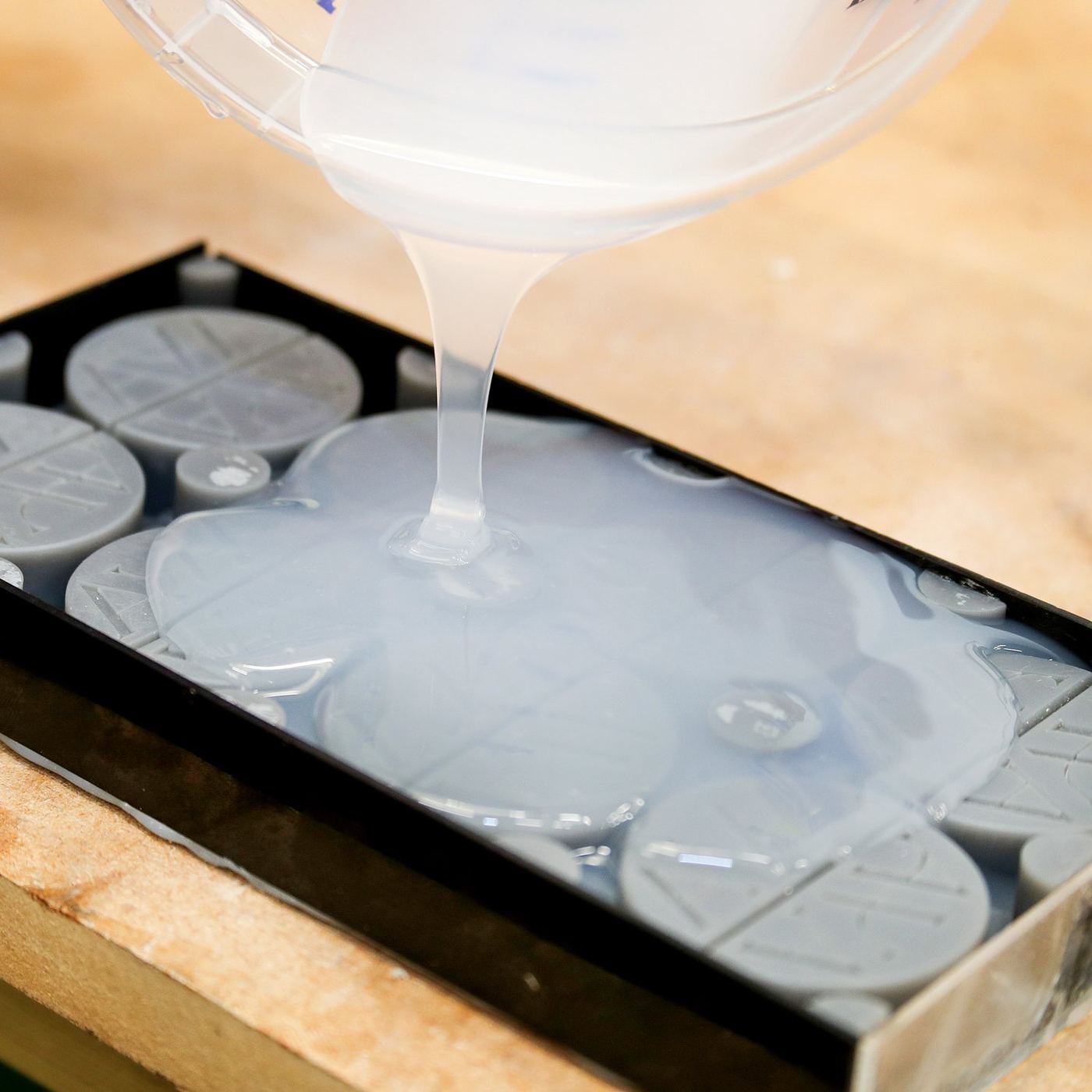
How a poured silicone mould is made
Swipe to see the whole diagram
Routes
| Route | Best for | Read more |
|---|---|---|
| Hand-made poured moulds | One-off and short-run moulds, fine detail and deep undercuts | Hand-made moulds |
| Cast silicone tooling | Two-part and multi-part tools with a planned parting line, for repeat casting | Cast moulds |
| Vacuum-cast moulds | Bubble-free tools for resin and polyurethane prototypes and short runs | Vacuum-cast moulds |
| Compression moulds | Moulded silicone parts in batches, from a heated steel or aluminium tool | Compression moulds |
| Injection moulds | Higher volumes of identical parts with tight repeatability | Injection moulds |
Material

Budget
Every mould is quoted to the job, and there is no honest single price. These are the things that move it most:
Brief
Photos, a drawing, a 3D file, or the original object.
Overall dimensions and any critical measurements.
Wax, soap, resin, concrete, food or something else, and at what temperature.
How many moulds, and how many casts you expect from each.
Gloss, matt, texture, or an exact copy of the master.
When you need it. We'll be honest about what is realistic.
Questions
TCI Mouldings designs and makes custom silicone moulds in Bidford-on-Avon, Warwickshire, from one-off hand-made moulds to production tooling.
Yes. Send or bring the original. We make the mould without damaging it where possible, and tell you first if there is any risk.
Yes. We can print or machine a master from your file, then make the silicone mould from it.
It depends on what you cast, the temperature and how it is handled, so we won't promise a number without knowing the job. We'll recommend a grade for the life you need.
Yes, in platinum-cure food-grade silicone. See our food-contact moulds page, or TCI Culinary for food production work.
Next step
Send a photo, drawing or file. We'll suggest the right route and come back with honest questions.
Real people, a real workshop
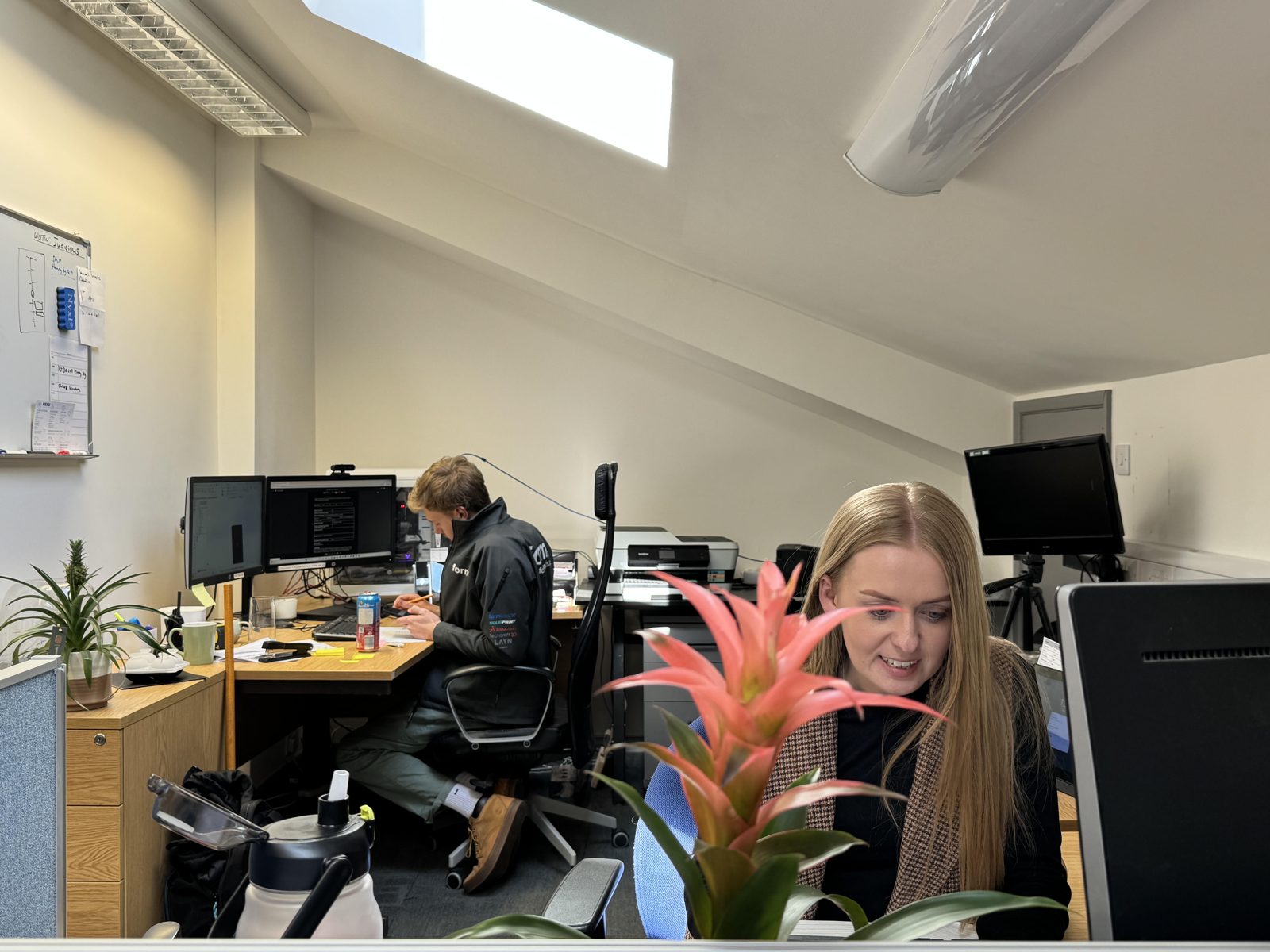
No call centre and no middlemen. When you contact TCI Mouldings, you speak to the team who design, build and check your mould.

 Thomas LaneManaging Director
 George PrestonDesign & Project Manager
 Kelly BallingerHead of Partnerships
 Jim AndertonProduction Manager
 TheodoreEmployee Welfare