Bidford-on-Avon, Warwickshire. Mon to Fri.01789 224228

Part of TCI Group · UK design, UK manufacturing capability, since 2019

Five moulding processes, one silicone workshop.

Hand-made, cast, vacuum cast, compression and injection: five ways to make a silicone mould, each with honest reasons to choose it. What your part needs to do decides the right route, not what we prefer to run.

5 routesHand-made to injection
In-houseDesign to production
UKDesigned and developed
2019Established

Where to start

Of these, only five are things we sell you.

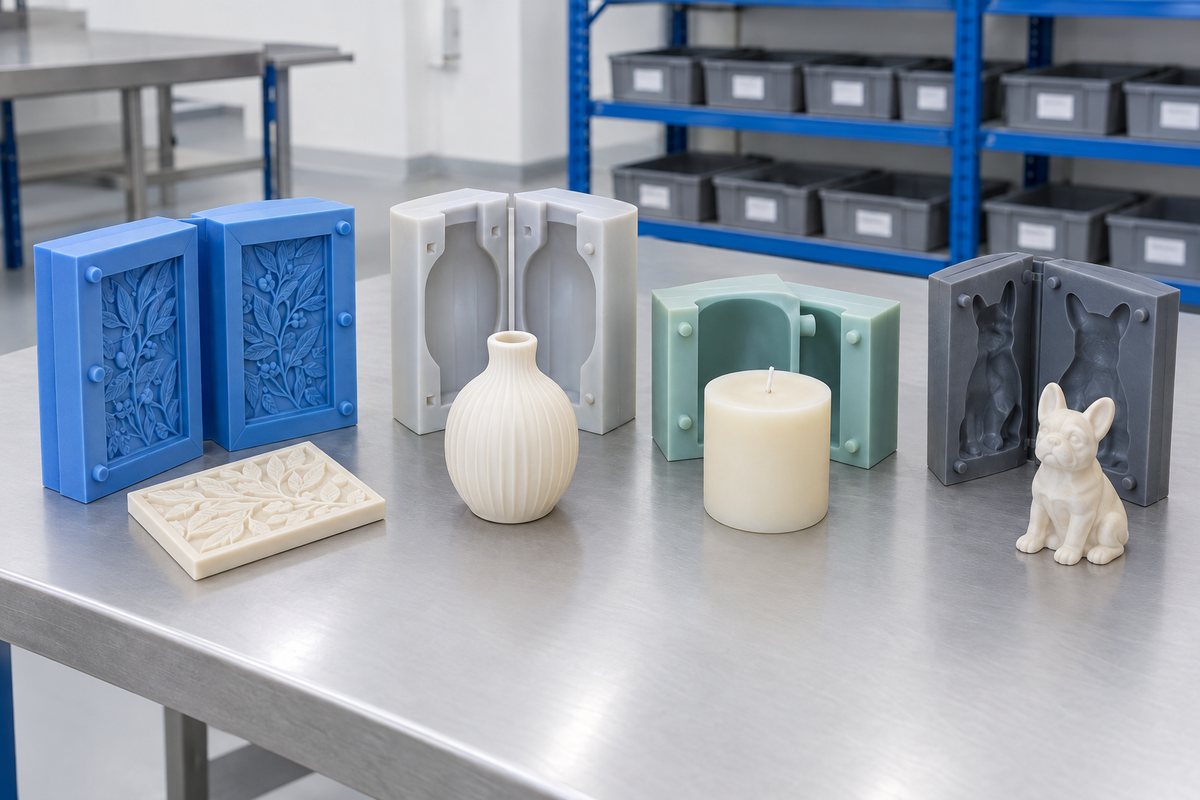
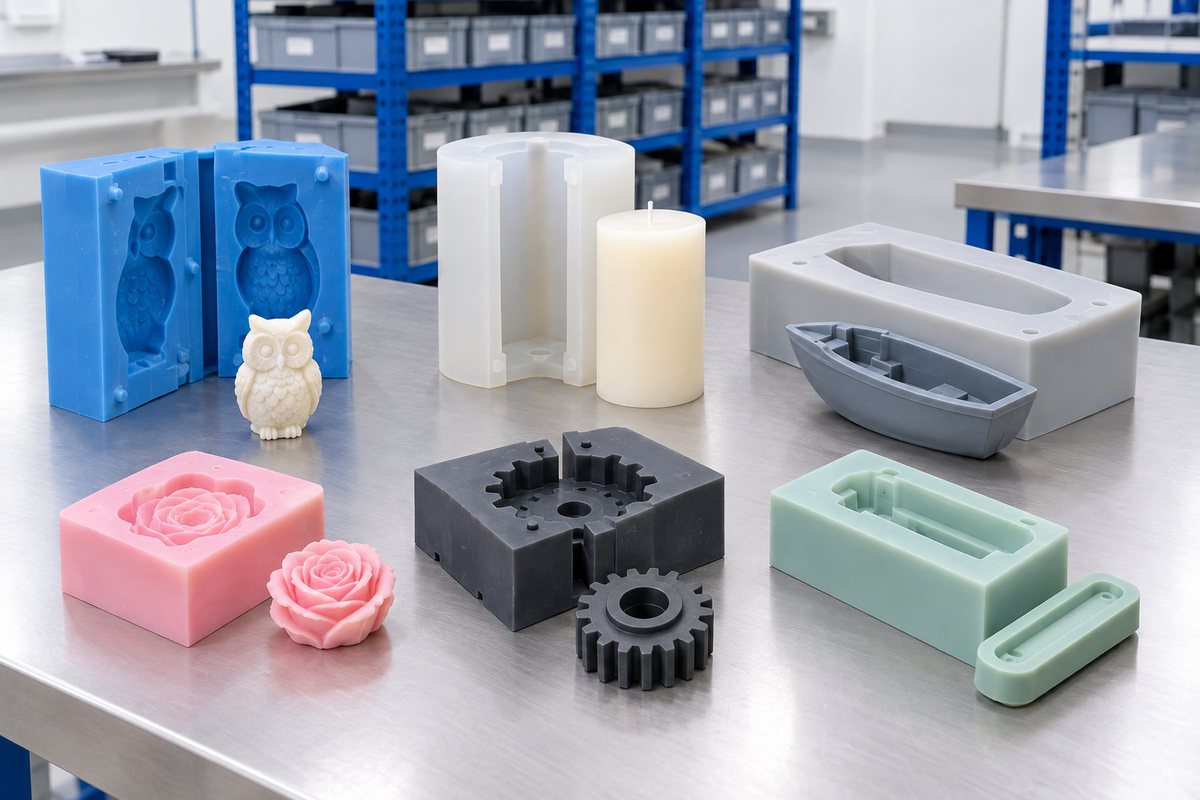
Illustrative example: Five different mould types displayed across a working bench
Five moulding routes shown side by side

There are many ways to shape silicone, and most belong to somebody else's factory. Five are ours, covering everything from a one-off development mould to a rolling annual programme.

Choosing the right route is not a matter of preference. It comes down to four things: how many parts you need, what you are pouring or pressing into the mould, how much detail needs to survive, and who has to demould it at the end of a shift. Get those four details clear and the route will usually choose itself.

Here is what each route is genuinely good at, and where it stops making sense. If your part sits on a boundary, tell us when you send it over and we will explain which side we think it falls on.

See what we make

The five routes

How each moulding route actually behaves.

The same workshop can give you five different answers. Tooling cost, unit cost and the level of detail you can hold all move together.

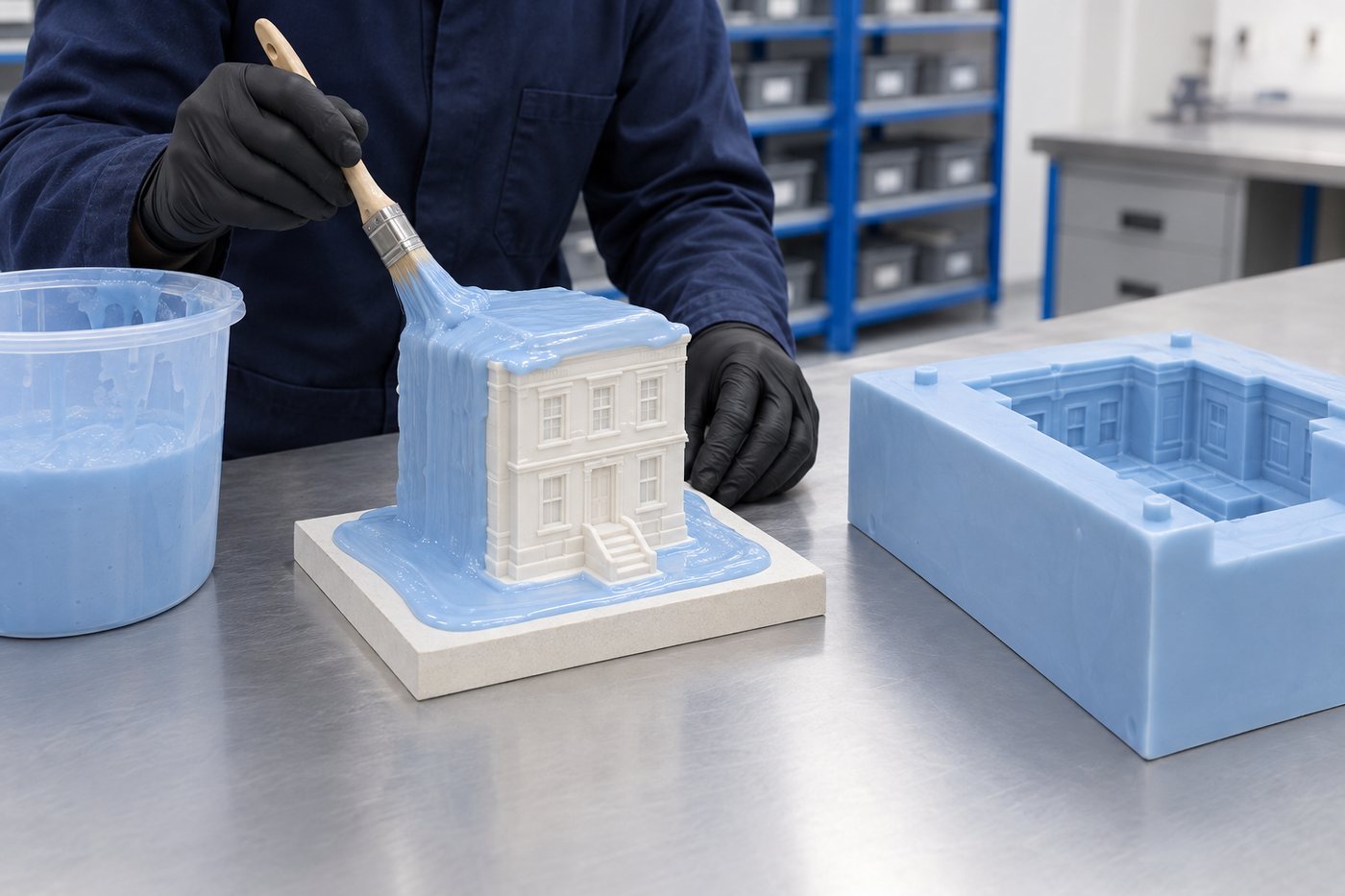
Illustrative example: Hand-brushed silicone building up around a master pattern
Route one

Hand-made silicone moulds

Silicone is laid up or poured by hand around a master. This is the cheapest and fastest way to produce a working mould. It works best when the shape is generous, the run is short and the finish does not need to be identical from part to part.

Hand-made moulds
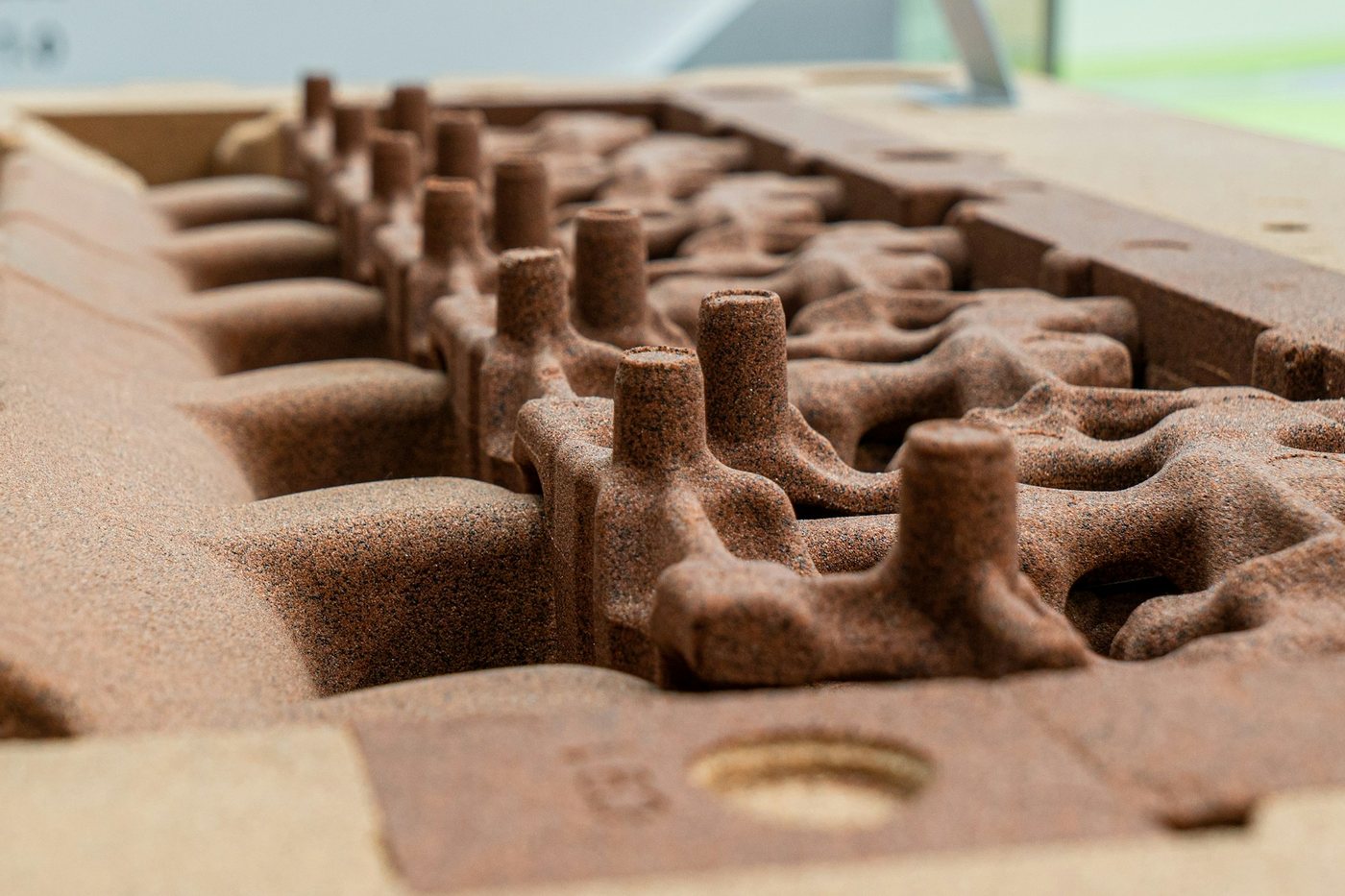
Close-up of a cast block showing crisp moulded detail
Route two

Cast silicone moulds

A properly boxed two-part mould is cast around a finished master, with the split line chosen rather than accepted. It is the workhorse for candles, homeware, plaster and resin, and for anything with an undercut worth keeping.

Cast moulds
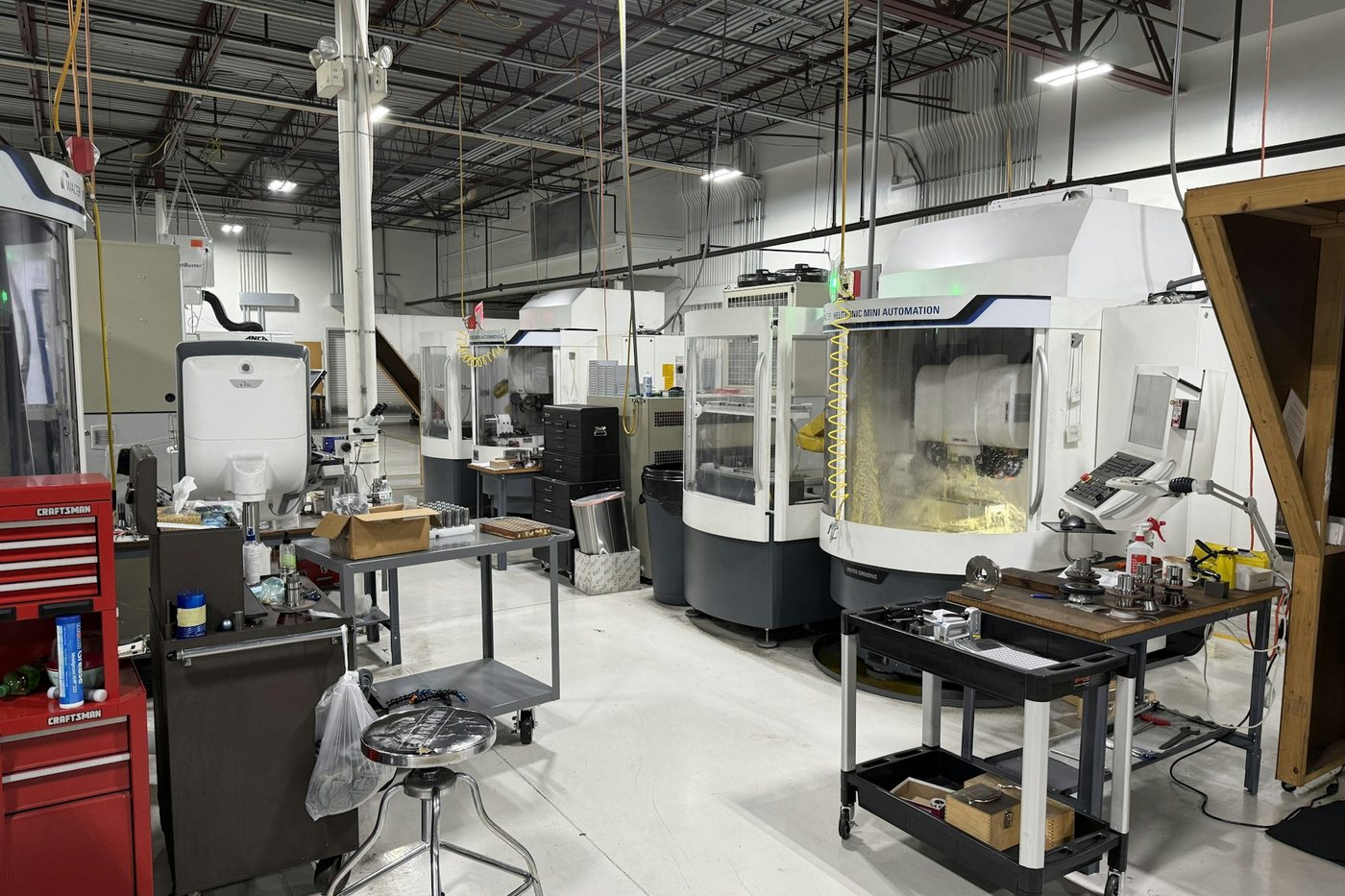
Clean machine shop with CNC machines and tooling
Route three

Vacuum cast moulds

It uses the same casting discipline, carried out under vacuum so the air is removed before the silicone sets. If you need fine relief, crisp arrises and a surface that needs no making good afterwards, this is the process for you.

Vacuum casting
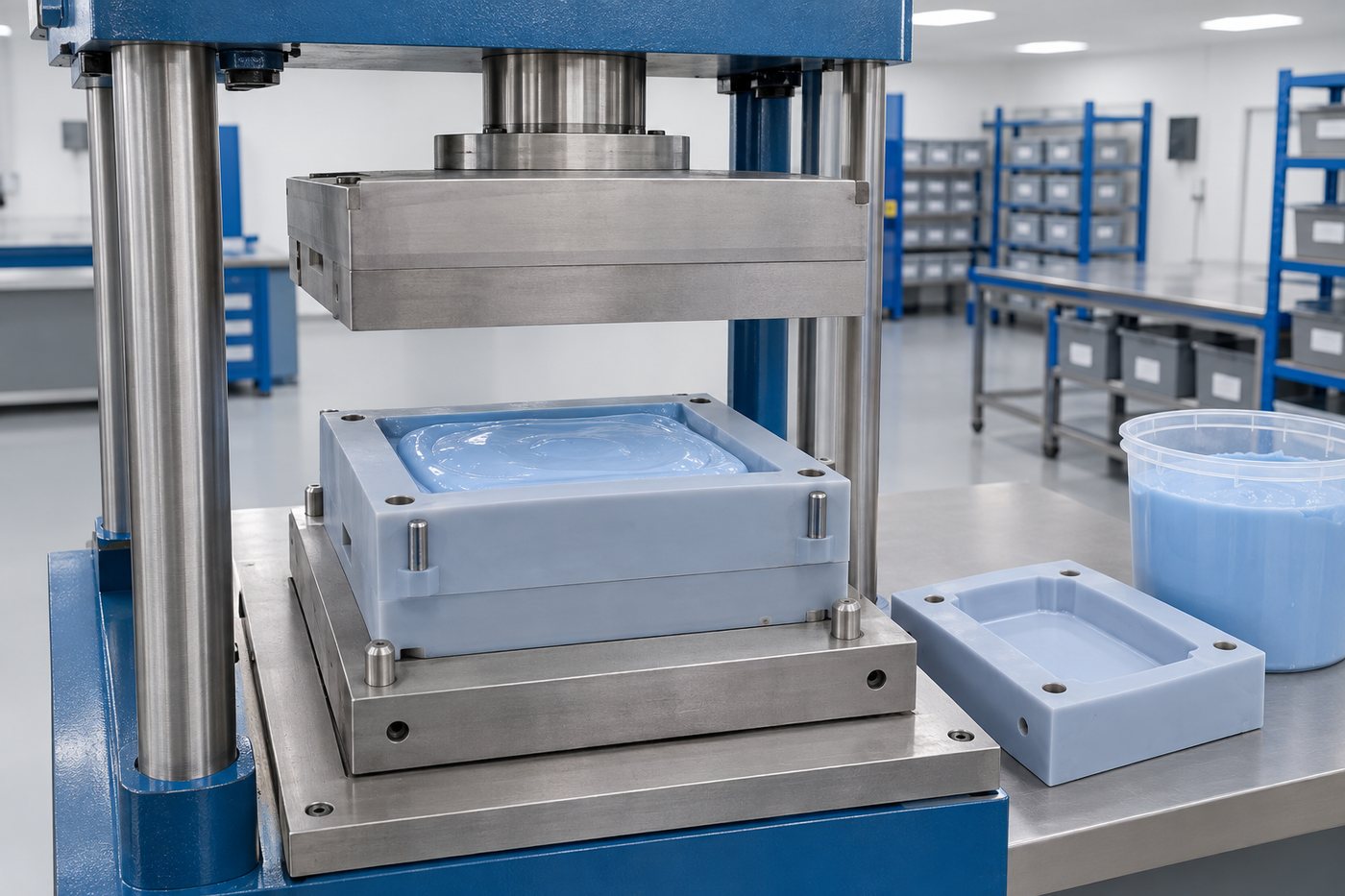
Illustrative example: Compression press loaded with silicone charge before moulding
Route four

Compression moulded parts

For moulded silicone components rather than moulds, we use steel tooling and a heated press. The tooling cost is higher, but the cost per part is much lower, with repeatability that hand casting cannot reach.

Compression moulding
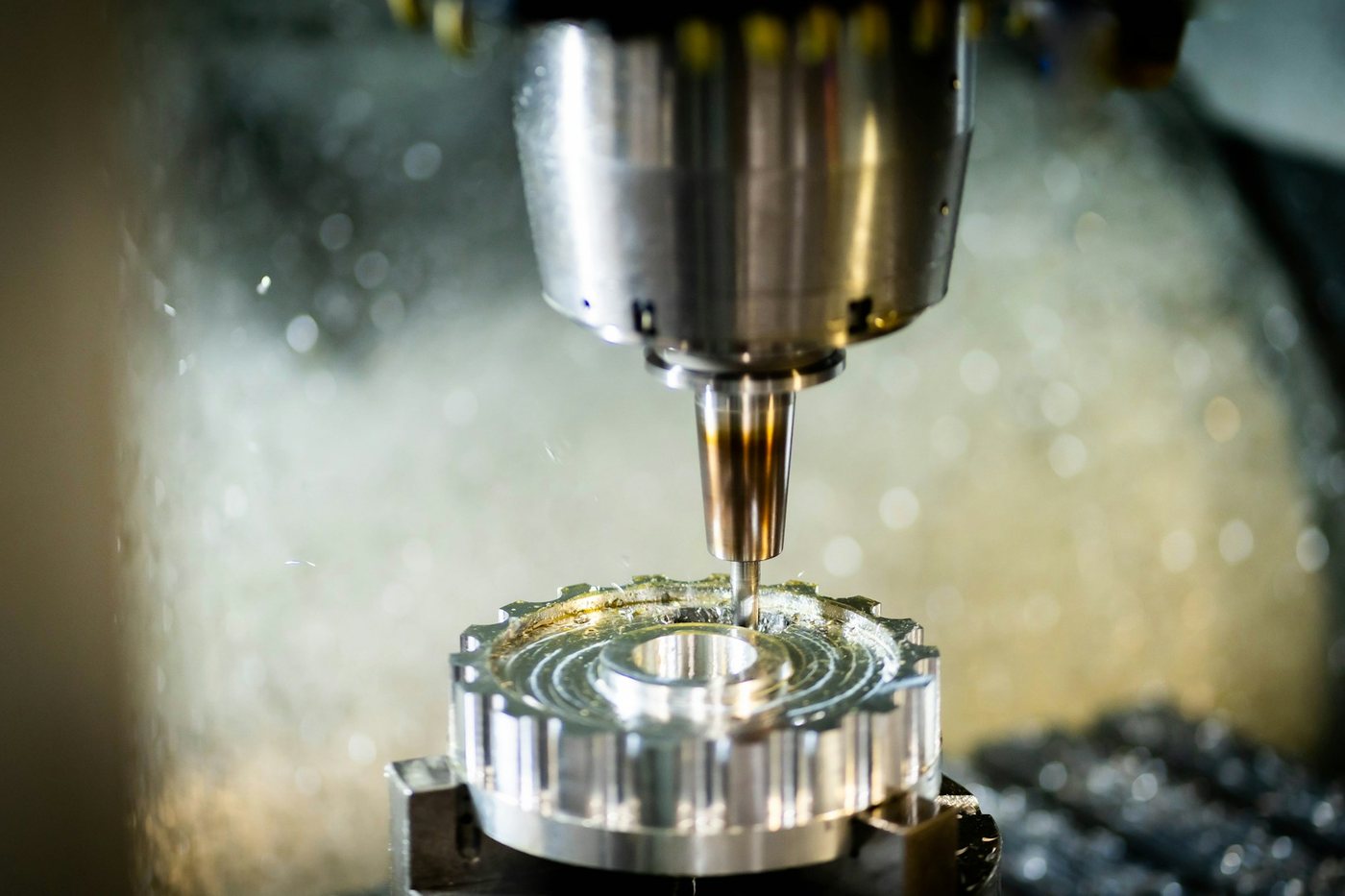
CNC machining of a precision metal tool
Route five

Injection moulded parts

Liquid silicone is injected into a hardened production tool. This requires the highest tooling investment, but gives you the lowest unit cost for parts you will be buying for years rather than months.

Injection moulding

Routing

How we match your job to one of the five

We don't quote from a photograph alone. These are the questions we ask, in order.

  1. What is going into it

    It could be wax, plaster, resin, concrete, chocolate or silicone itself. The material affects how easily your part releases, the temperature your mould needs to withstand and whether food-contact paperwork is needed.

  2. How many, and over how long

    Whether you need one development piece, enough for a season, or a repeating annual quantity, the volume and timescale matter.

    They are the single biggest factors in deciding whether soft tooling or steel tooling will be the cheaper option over the life of the job.

  3. What detail has to survive

    If your part has fine relief, lettering, thin walls and sharp arrises, it is likely to need vacuum casting or a hard tool. Generous, rounded shapes do not need either.

  4. Who takes it out of the mould

    The person demoulding it matters. A skilled maker will flex a mould that a production operator on a Friday afternoon will tear. That's why wall thickness, hardness and the split line are set around whoever will actually demould it.

  5. What each part costs

    We spread the tooling cost across the run and quote a cost per piece. That is the figure that helps you decide whether your job makes sense.

Illustrative example: Sample cast materials placed beside moulds suited to different jobs
Matching cast material and volume to the mould route

Compare

Which moulding route suits your job?

This is a rough guide, not a quotation. Every column moves once we see the actual part.

RouteTypical runTooling costCost per partDetail heldBest for
Hand-made1 to 50LowestHighestModerateDevelopment pieces, generous shapes, short runs
Cast10 to 500LowModerateGoodCandles, homeware, plaster and resin, undercuts
Vacuum cast10 to 500Low to mediumModerateHighest of the soft routesFine relief, lettering, crisp arrises
Compression250 upwardsMedium to highLowHigh and repeatableMoulded silicone components at volume
Injection1,000 upwardsHighestLowestHigh and repeatableLong-term component supply

Run lengths overlap on purpose, so a 400-piece job can sit in three of these columns. The right choice depends on your part, not simply the number of pieces.

Send us a part and we'll place it

Four questions

Four questions to help choose your route.

01

Is there an undercut?

If your part locks into the mould, a rigid tool must either split around it, or the mould must flex. That single fact can rule manufacturing routes in or out faster than anything else.

02

How fine is the finest feature?

If the smallest detail that matters is finer than a millimetre, the air must be removed under vacuum or forced out under pressure.

03

Will it be hot?

If your mould is going into an oven, autoclave or heated line, the process changes the grade you need, not just the shape. For high-temperature work, we specify around the cycle, not the part alone.

04

Is this a mould or a part?

If you need the silicone component itself, you're looking at compression or injection. If you want to cast something else in the silicone, you're looking at the first three processes.

Go deeper

Explore a dedicated page for each of the five.

Each route has its own page, with the detail you need to choose confidently: what it suits, what it does not, what we need from you to quote it, and the practical limits we'll explain before you commit.

If you already know which route you need, start there. If not, send us your part and we will tell you which route it needs and why.

All mould making services

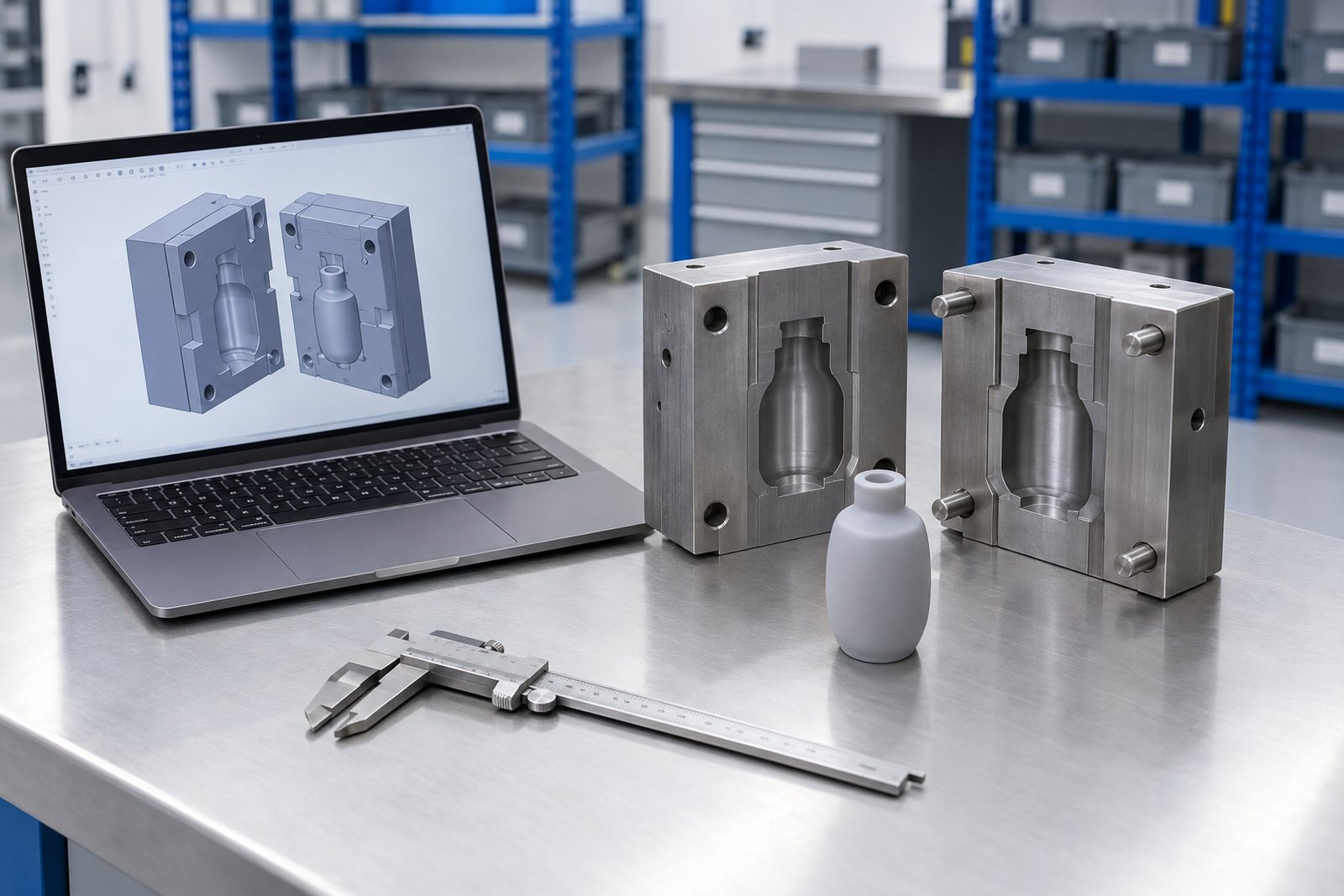
Illustrative example: Mould tool CAD model open on a laptop beside the machined steel tool blocks and calipers on the bench

Route pages

The five moulded routes

Hand-made silicone moulds

Laid up or poured by hand around a master, this is the fastest route to a working mould.

Hand-made moulds

Cast silicone moulds

Boxed two-part moulds with a chosen split line. The workhorse route.

Cast moulds

Compression moulds

Steel tooling and a heated press for moulded silicone components.

Compression moulds

Injection moulds

Liquid silicone injection for long-term component supply.

Injection moulds

Groundwork

Before the route is chosen

Before we can cut a mould, most jobs need some preparation. This is chargeable work in its own right, and it often makes the mould possible.

CAD and design for manufacture

We review your geometry for draft, split line, wall thickness and any features that could make the mould more difficult to produce.

CAD and DFM

Master patterns

If you do not have a master to cast from, we can make one in plaster, resin or printed polymer.

Master patterns

3D scanning

We digitise an existing part so you can reproduce, modify or scale it.

3D scanning

Reverse engineering

When the original tooling is long gone, we can work backwards from a sample to recreate the drawing and mould.

Reverse engineering

Shore hardness selection

We choose the hardness to suit who will demould it and how often, rather than simply following a catalogue.

Shore hardness

Checking

We never release anything based on a drawing alone.

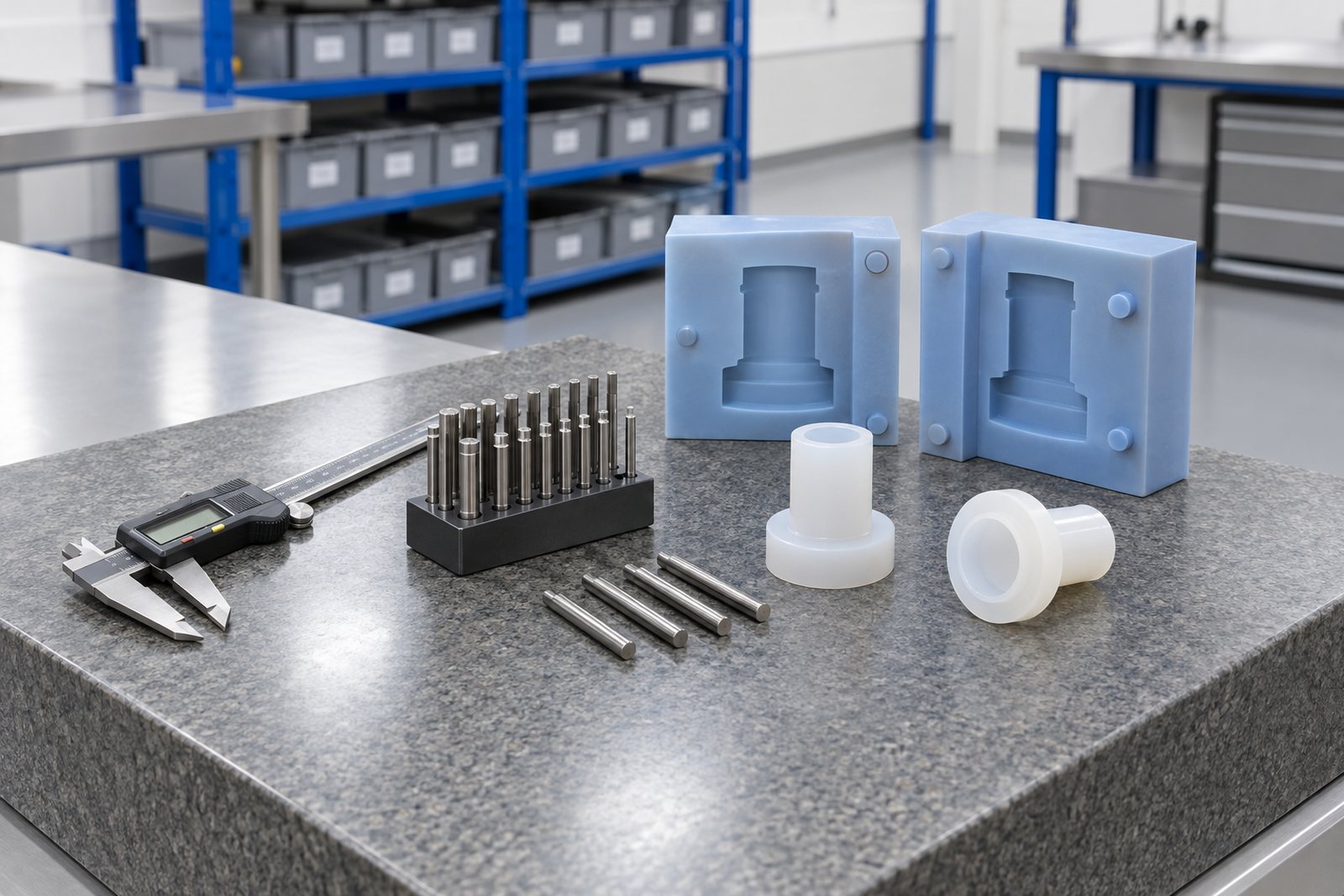
Every mould and every first-off part is checked against its intended specification. We measure the dimensions that matter, assess the surface where it matters, and physically check that the part demoulds without a fight.

If a job has paperwork attached, we record the material and specification against your order. That means the grade you approve is the grade you continue to receive.

If something is out of specification, we will tell you before it ships. That is better for everyone than discovering the issue on your line.

How we work

Illustrative example: A granite surface plate with a caliper, pin gauges and small moulded silicone parts laid out for first-off checking

Questions

Questions buyers ask about moulding routes.

Can you change route later if the volumes grow?

Yes, and it's a common path. Many jobs start with a cast development mould, then move to compression or injection once the shape is settled and quantities justify hard tooling. Your design work carries over, which is why it's worth getting the CAD stage right the first time.

Do I need CAD to get a quote?

No. A sample, a photograph with a rule in shot, or a hand sketch is enough to start a sensible conversation. If we need geometry you do not have, scanning or reverse engineering can produce it. We will tell you which approach your part needs.

Which route holds the finest detail?

If you're choosing among soft routes, vacuum casting draws the air out before the silicone sets, rather than requiring it to be chased afterwards. For repeatable fine detail at volume, a hard tool used for compression or injection will hold that detail more consistently.

Is a harder mould always better?

Not quite. Hardness is a trade-off. A harder mould holds its shape and lasts longer, but it will not release an undercut and can be harder on the person demoulding it all day. We choose the right hardness for the part and the person, not simply a number.

Can you make a mould for food use?

Yes. For food-contact work, the grade and paperwork matter just as much as the shape. Our food division manages this work, so the declarations are kept in one place.

What if my part has a deep undercut?

That usually suggests one of two options: a flexible route, or a hard tool that splits around the feature. It is exactly the kind of detail to raise at sketch stage. Designing the split line early is far cheaper than discovering it after tooling.

One group, four specialisms

TCI Mouldings is part of TCI Group.

Shared engineering, one workshop and four specialisms give you access to the tooling knowledge behind a precast yard, even if you are a chandler with one product.

At a glance

The ideas in pictures.

Which route suits your quantity

PrototypesHundredsThousandsTens of thousandsHand-made mouldsCast silicone mouldsVacuum-cast mouldsCompression toolingInjection and LSR tooling

Swipe to see the whole diagram

A general picture. Shape, material and detail also decide the route, and we talk it through with you.

From idea to finished mould

  1. 01Photo or sampleShow us what you want to cast
  2. 02Drawing agreedWe agree the shape and split
  3. 03Master madeMachined, printed or sculpted
  4. 04Proof pourA first mould to test
  5. 05Full mouldMade once you are happy
  6. 06Kept on fileFor easy reorders

Swipe to see the whole diagram

Every mould follows the same simple route, so you always know what happens next.

Ready to start?

Tell us what you need to make, and we'll explain how to mould it.

Send us a drawing, photograph or sample. We'll come back to you with a mould strategy, a material recommendation and a price.

Real people, a real workshop

You deal with the people who make it.

No call centre and no middlemen. When you contact TCI Mouldings, you speak to the team who design, build and check your mould.

  • A real Warwickshire workshopUnit 15, Waterloo Park, Bidford-on-Avon, Alcester B50 4JG.
  • Real people on the phoneCall the team on 01789 224228, Monday to Friday.
  • The same team on every jobDesign, production and aftercare come from the people you see here.
  • Part of TCI GroupFive specialist brands, one engineering team. Visit TCI Group.
A stack of TCI silicone moulds.
The TCI workshop, with moulds on the bench mid-build.
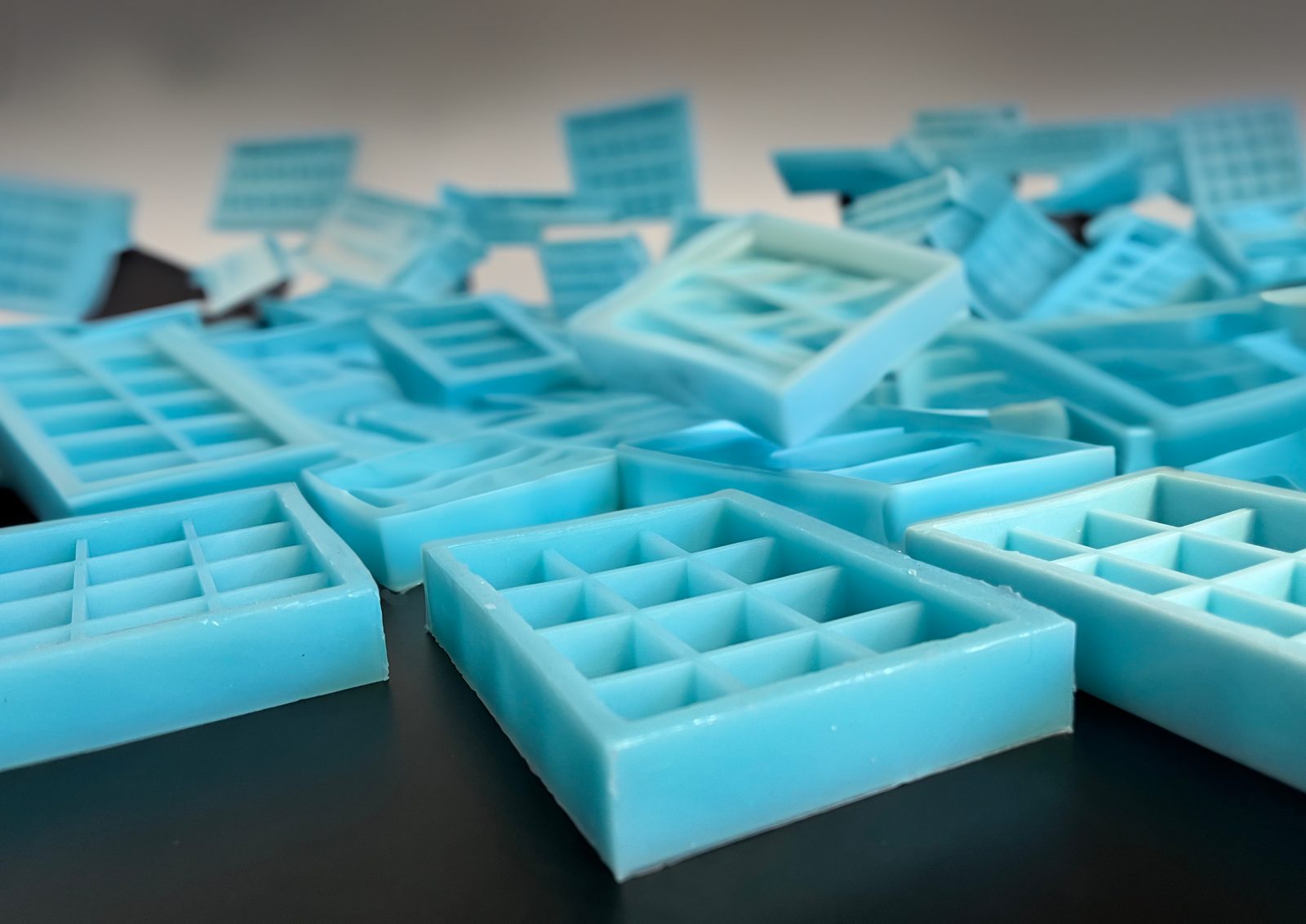
Silicone wax melt moulds made by TCI Mouldings.
  • Thomas LaneManaging Director
  • George PrestonDesign & Project Manager
  • Kelly BallingerHead of Partnerships
  • Jim AndertonProduction Manager
  • TheodoreEmployee Welfare
Meet the team