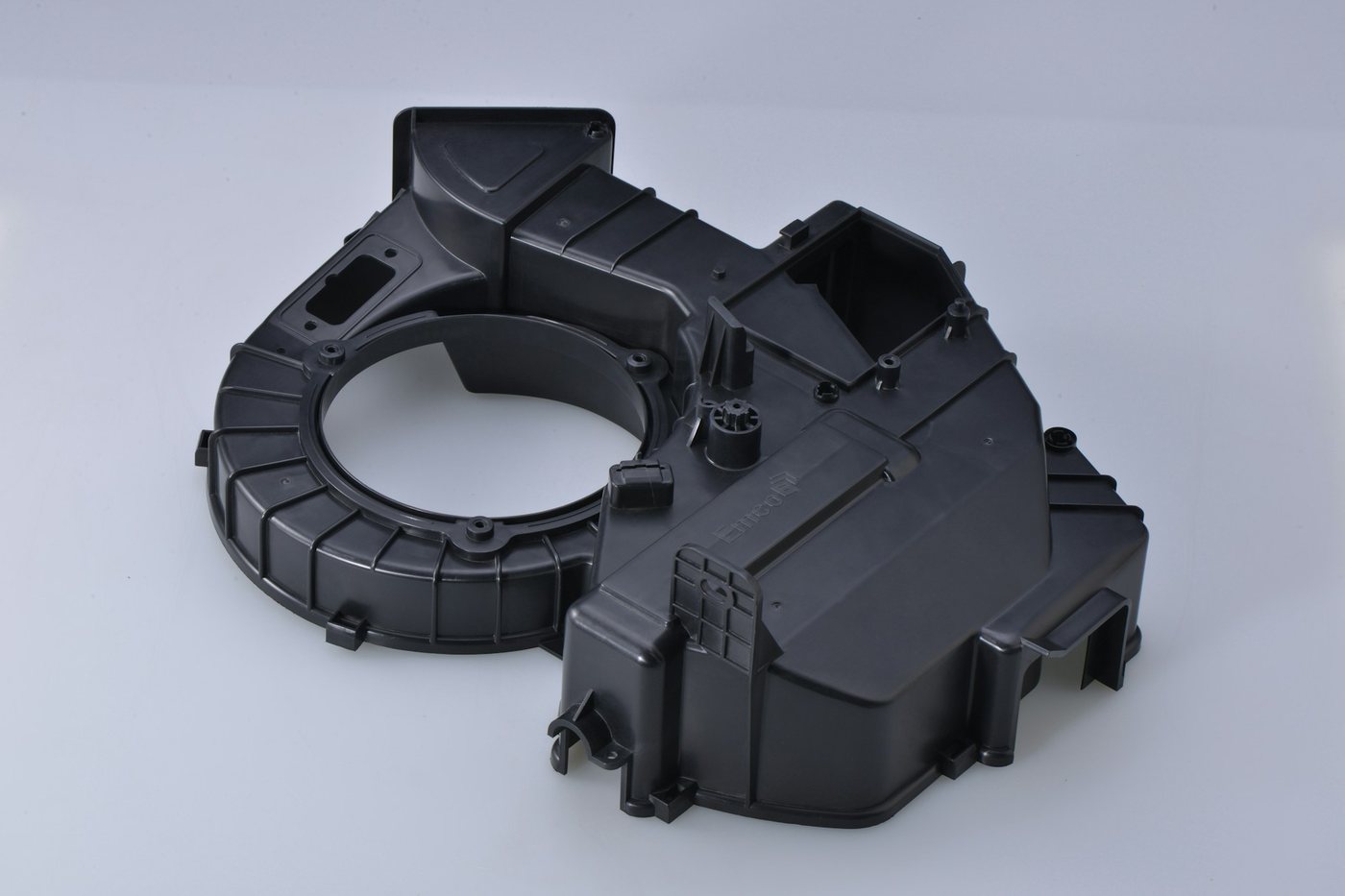
Your part, in whatever state
Whether your part is worn, cracked, painted over or in three pieces, a physical part can answer questions that no photograph can. Even when it is broken, it still carries most of the geometry.
The original tooling is gone
If you have a part with no drawing, we can work back from it to a mould that makes it again. The part may be worn, in pieces, or you may only have the thing it fits into. All of these are normal enquiries here, so there is no need to feel awkward about getting in touch.
How it goes
Each stage is deliberate, so you can stop at any point and still have something useful.
Before you measure, look closely at the part. Ask which faces mate with something, which are cosmetic, where it was gripped, where it wore and where it failed. If you know what to look for, the part tells you most of this.
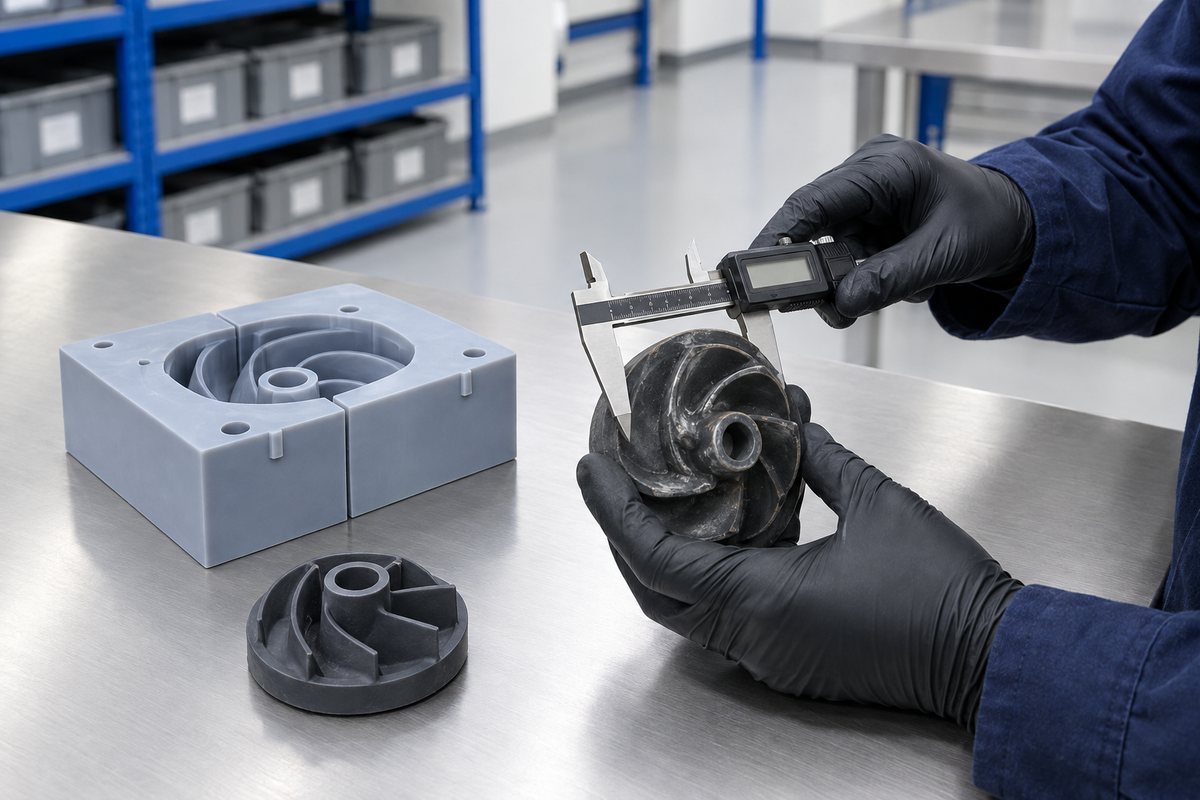
We measure simple geometry by hand. For organic shapes, we use scanned methods. Scanning captures the part as it is now, including any wear, which is why the previous stage comes first.
This is where the engineering begins: separating design intent from wear, distortion, old repairs and the shrinkage caused by whatever process made the part. A worn part is evidence, not a specification.
We create real geometry with real features, so you can modify, scale and mate it to something else, rather than simply copy it. For most customers, this is the deliverable they actually need.
We plan the split line, draft, release and route it, just as we do for any new part. See design for manufacture for more on what this stage involves.
See which moulding route suits your project
Before tooling
You'll know what we find before anyone commits to a mould, including the inconvenient parts.
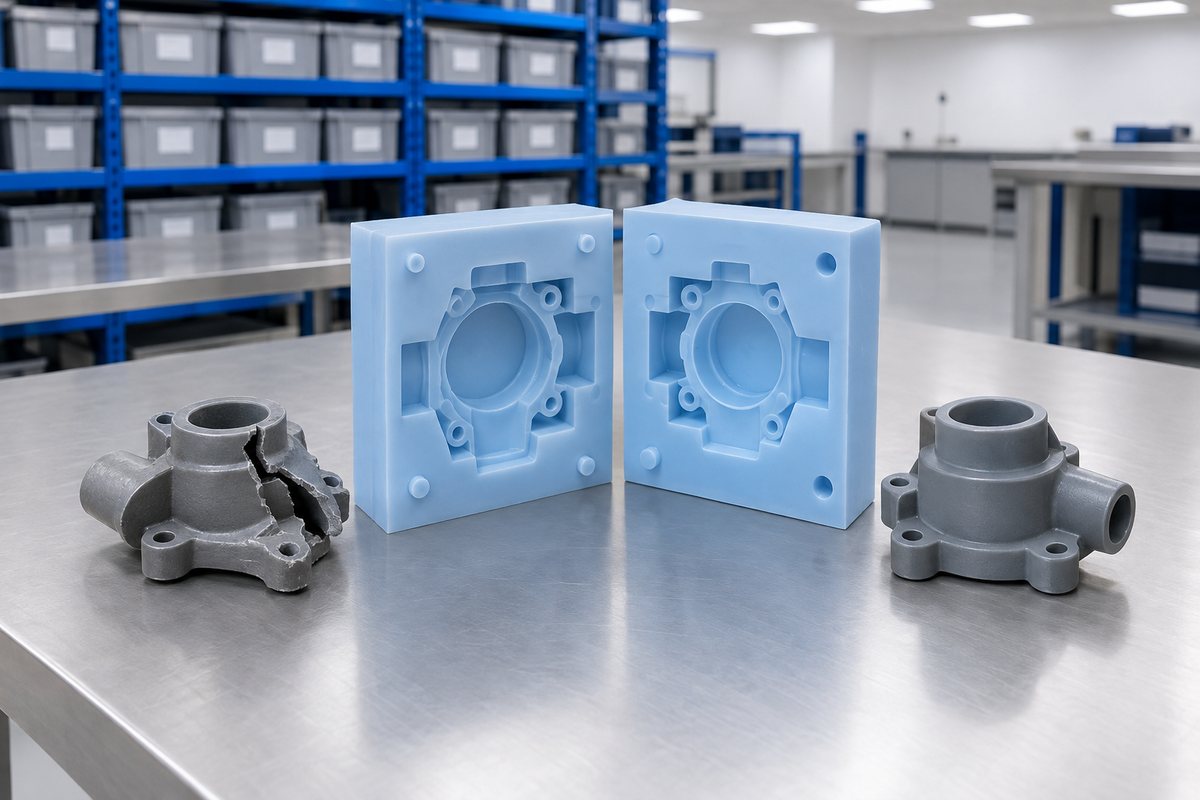
Sometimes the finding is that a part failed because of its design, not because it wore out. In that case, copying it exactly would recreate the fault. You then have a choice: an exact copy of something that will fail in the same way, or a corrected version that is no longer identical to the one in service. Both options are legitimate. The decision should be yours, not one made quietly on your behalf.
Sometimes, the geometry cannot be recovered with confidence from what you send us. A badly distorted part, a fragment or a face that has worn away completely can leave a gap that must be filled with an assumption. We will explain what we have assumed and how confident we are, rather than presenting a guess as a measurement.
Sometimes, reverse engineering is not the right purchase. If the part is a standard item that is still available from someone, buying it is cheaper than recreating it. We will say so.
What to send
Whether your part is worn, cracked, painted over or in three pieces, a physical part can answer questions that no photograph can. Even when it is broken, it still carries most of the geometry.
It is often more useful than the part itself. If the mating component exists, it defines the important dimensions, while everything else is detail.
It might be a faded print, a hand sketch or a page from a manual. It may be wrong in places, but it still shows the intent, which is often the hardest thing to recover from a worn part.
If nothing can leave your site, photographs from several angles with a rule in shot are a useful starting point. This is the weakest input, so please expect us to ask more questions.
Who asks
The pattern is always the same: a supplier has closed, a tool has been scrapped, a mould was never documented, or the person who knew how it was made has retired. That leaves one part, still in service and still holding something together.
It comes from restoration and heritage work, equipment that has outlived its manufacturer, architectural detail that has to be matched rather than replaced, and products that are still selling long after the original tooling disappeared.
You don't need to apologise when you call. You are not expected to have CAD, a drawing or a clean sample. Bring the part and tell us what it does. We will explain what can be recovered and what still needs to be decided.
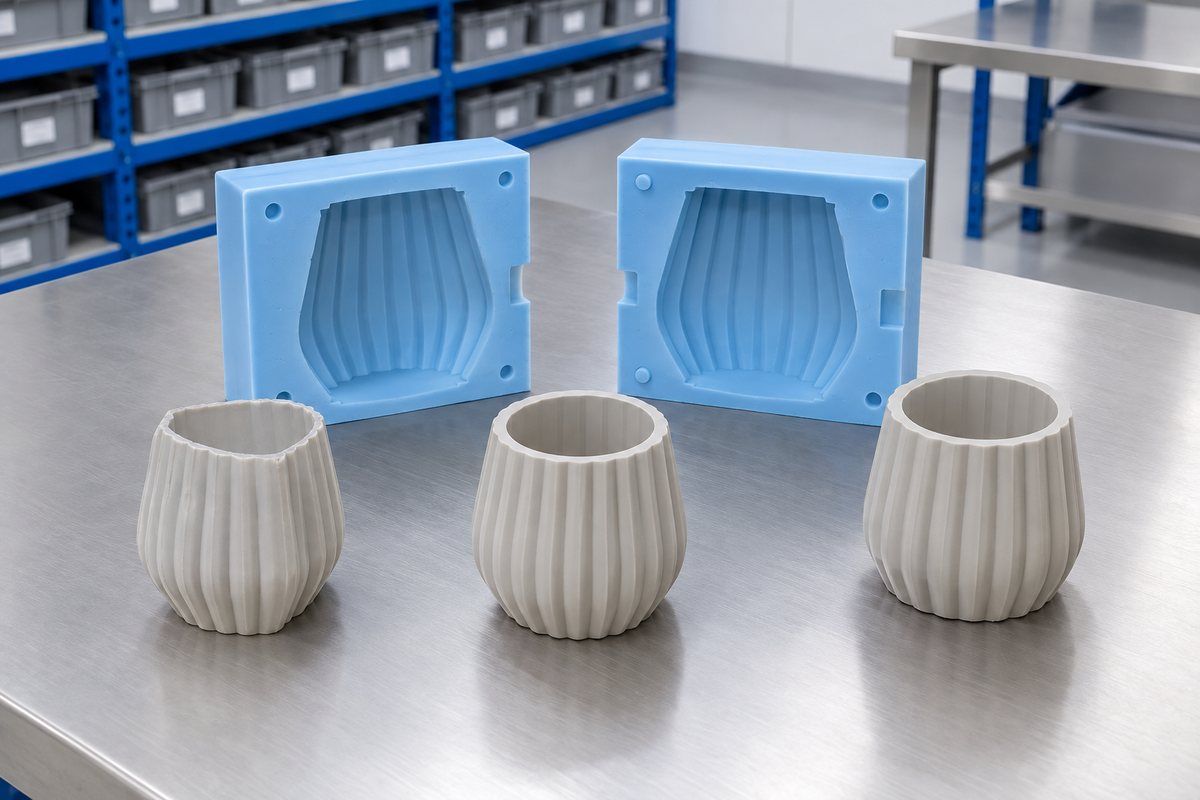
If you need a small repeating quantity rather than a mould to keep, we can cast the parts here instead. This is low-volume production, and it works well for spares tails.
At a glance
From idea to finished mould
Swipe to see the whole diagram
Ready to start?
Send us a drawing, photograph or sample. We'll come back to you with a mould strategy, material recommendation and a price.
Real people, a real workshop
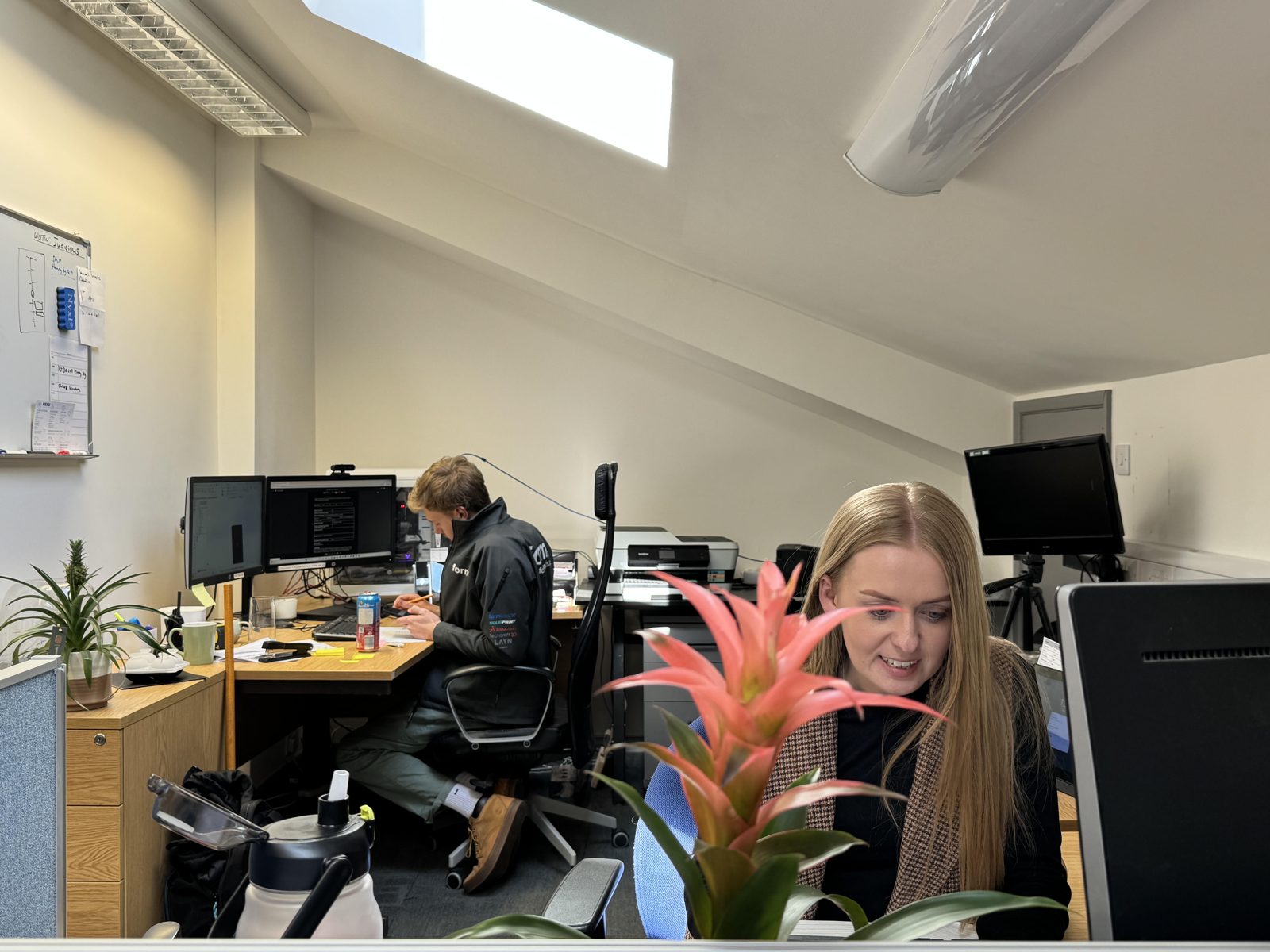
No call centre and no middlemen. When you contact TCI Mouldings, you speak to the team who design, build and check your mould.


 Thomas LaneManaging Director
 George PrestonDesign & Project Manager
 Kelly BallingerHead of Partnerships
 Jim AndertonProduction Manager
 TheodoreEmployee Welfare