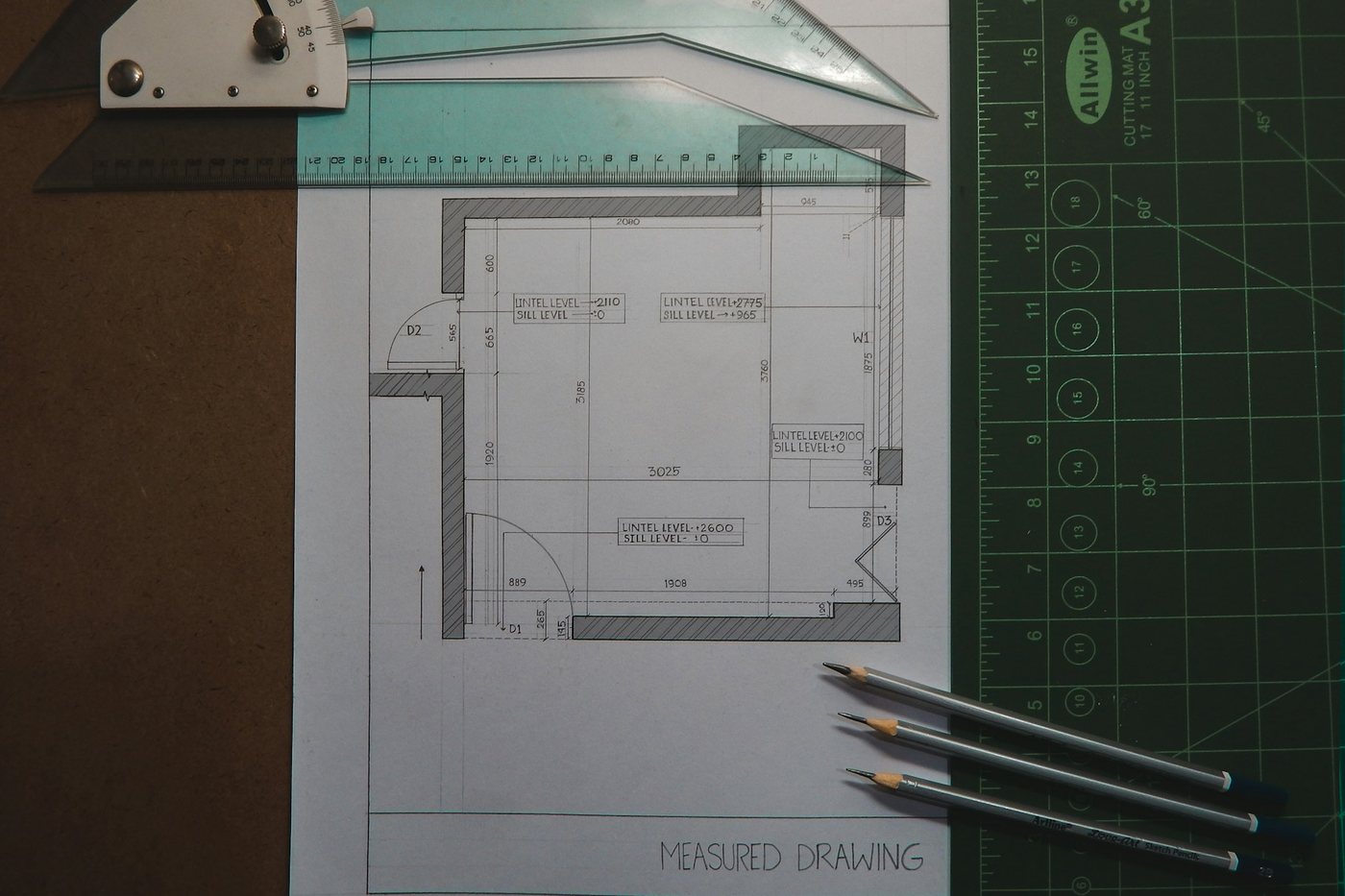
A manufacturable model
We've adjusted your geometry for draft, split line, wall thickness and features that can make release more difficult. Every change is marked and explained, so nothing is applied without your knowledge.
Groundwork · design for manufacture
Most mould problems start as design problems that were left until after the tooling was cut. This is when someone reviews your geometry and asks the questions that matter: where will it split, how will it come out, and which feature could tear the mould?
The review
This isn't a styling exercise. It's five questions, asked in a fixed order. Each answer narrows down what the mould can be.
Every mould has a parting line, where its sections meet. If you do not choose it, the geometry chooses it for you, usually across the face someone will look at. We place it where it causes the least harm and show you where it is.
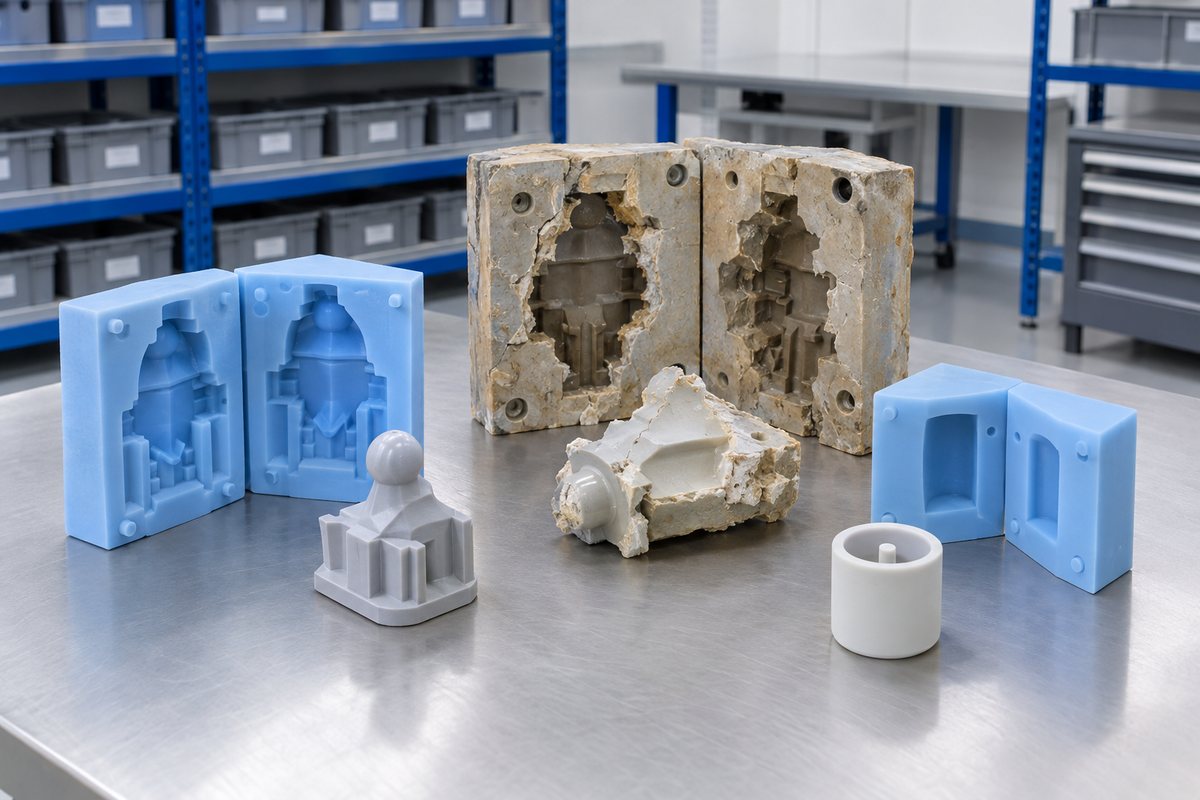
Undercuts, re-entrant features and dead-straight walls with no draft can lock your part in place. Some parts can be released by flexing the silicone. Others need the tool to split around them, while some designs need the part changing.
Thin sections do not fill, while thick sections shrink and sink. If your design changes wall thickness abruptly, the finished face will show it. No amount of care at the bench can fix a section that was drawn incorrectly.
A silicone mould can accommodate shapes that a rigid tool cannot. The manufacturing route also influences your design, so these two decisions are best considered together rather than one after the other.
Not every awkward feature is worth changing. We help you separate the issues that cost you on every part from those that only need a little extra care once, so you know which is which.
What to send
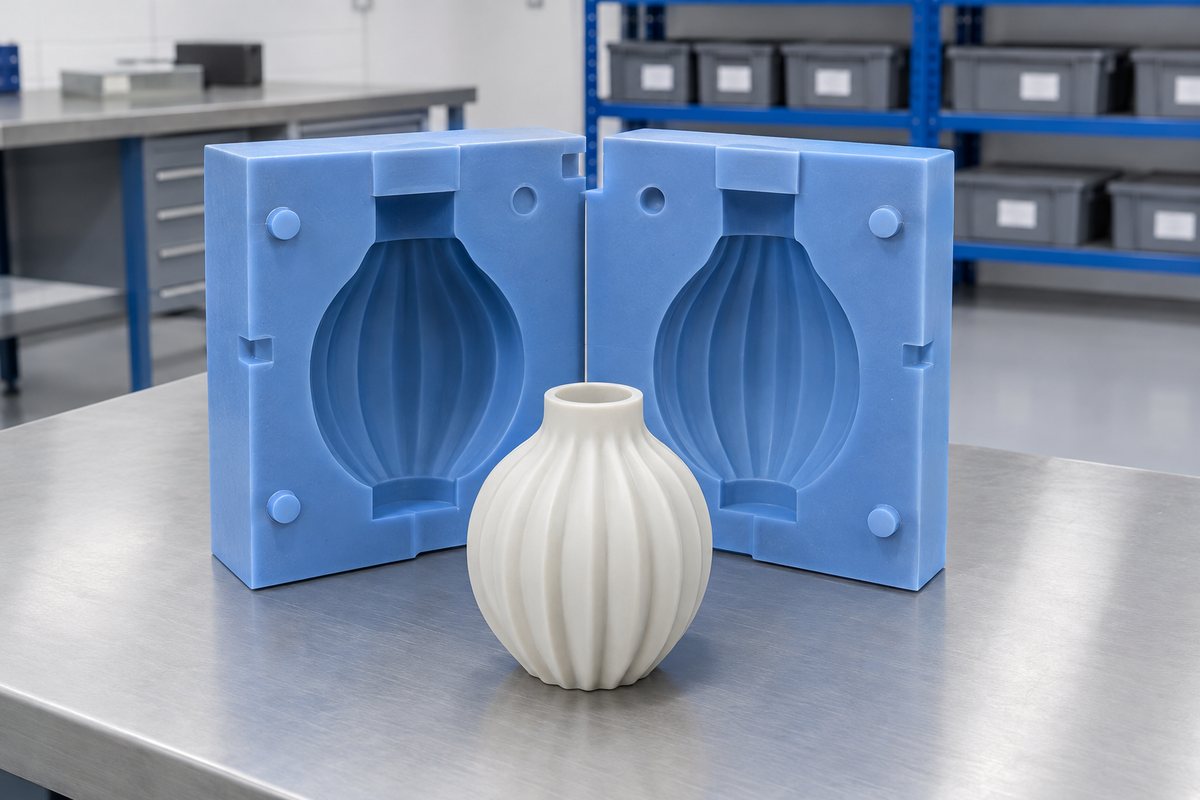
Native CAD is usually the easiest format to work with because your design features remain editable. A neutral export is the next best option. A mesh can still work, but it has already been flattened into triangles, so rebuilding takes more time.
If you have no CAD at all, that is no problem and it is perfectly normal. A sketch with a rule in shot, a sample in the post or a photograph of the thing you are trying to replace is enough to start a useful conversation. If we need real geometry, we can get it by scanning the part or by reverse engineering from a sample.
To get your tooling right, we need more than a rendering: please provide dimensions and a sample. A clear image shows the intended shape, but not its size. Guessing dimensions can mean cutting the tooling twice.
Send over whatever you have, along with the one sentence that matters most: what the part needs to do when it's finished.
Deliverables
You get clear, practical advice you can act on, including the parts you may not want to hear.
We've adjusted your geometry for draft, split line, wall thickness and features that can make release more difficult. Every change is marked and explained, so nothing is applied without your knowledge.
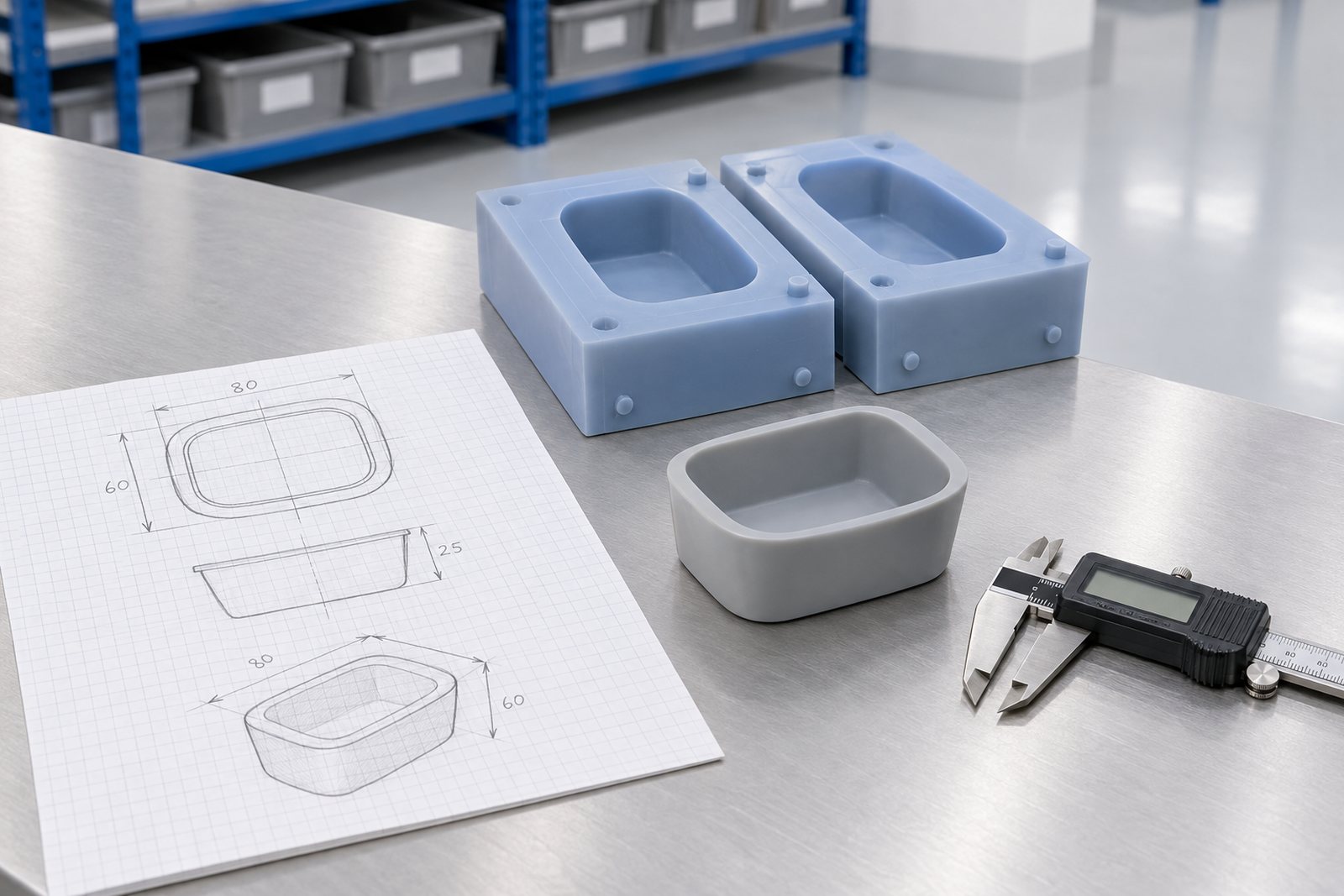
We look at the route your part needs and how the mould should be arranged: the number of cavities, where it parts, how it is filled and how it is demoulded. This gives you enough detail to understand what you would be buying.
We talk through the trade-offs behind each decision, including the options we do not choose. If a feature you want will make every part more expensive, we tell you at the model stage rather than after the first-off.
Honestly
A design review is an added cost, and it is not always necessary. If your part is a simple decorative shape for a hand-poured mould, its geometry is barely constrained, so a formal review may be money you do not need to spend. Tell us what you are making, and we will let you know whether you can skip it.
This review is particularly worthwhile when your part is going into hard tooling, your volumes are substantial, or a mould has already been made elsewhere and did not work. In these situations, the review cost is small compared with the cost of cutting steel around a feature that nobody questioned.
It is also useful when the number of cavities is still being decided, as cavity layout and part design can pull in different directions. This conversation belongs with multi-cavity tooling, and it is much more cost-effective before the model is signed off.
The most useful thing you can do is tell us early which features are decorative and which are functional. Half of design for manufacture is understanding what is allowed to move.
At a glance
From idea to finished mould
Swipe to see the whole diagram
Ready to start?
Send us a drawing, photograph or sample. We'll come back with a mould strategy, a material recommendation and a price.
Real people, a real workshop
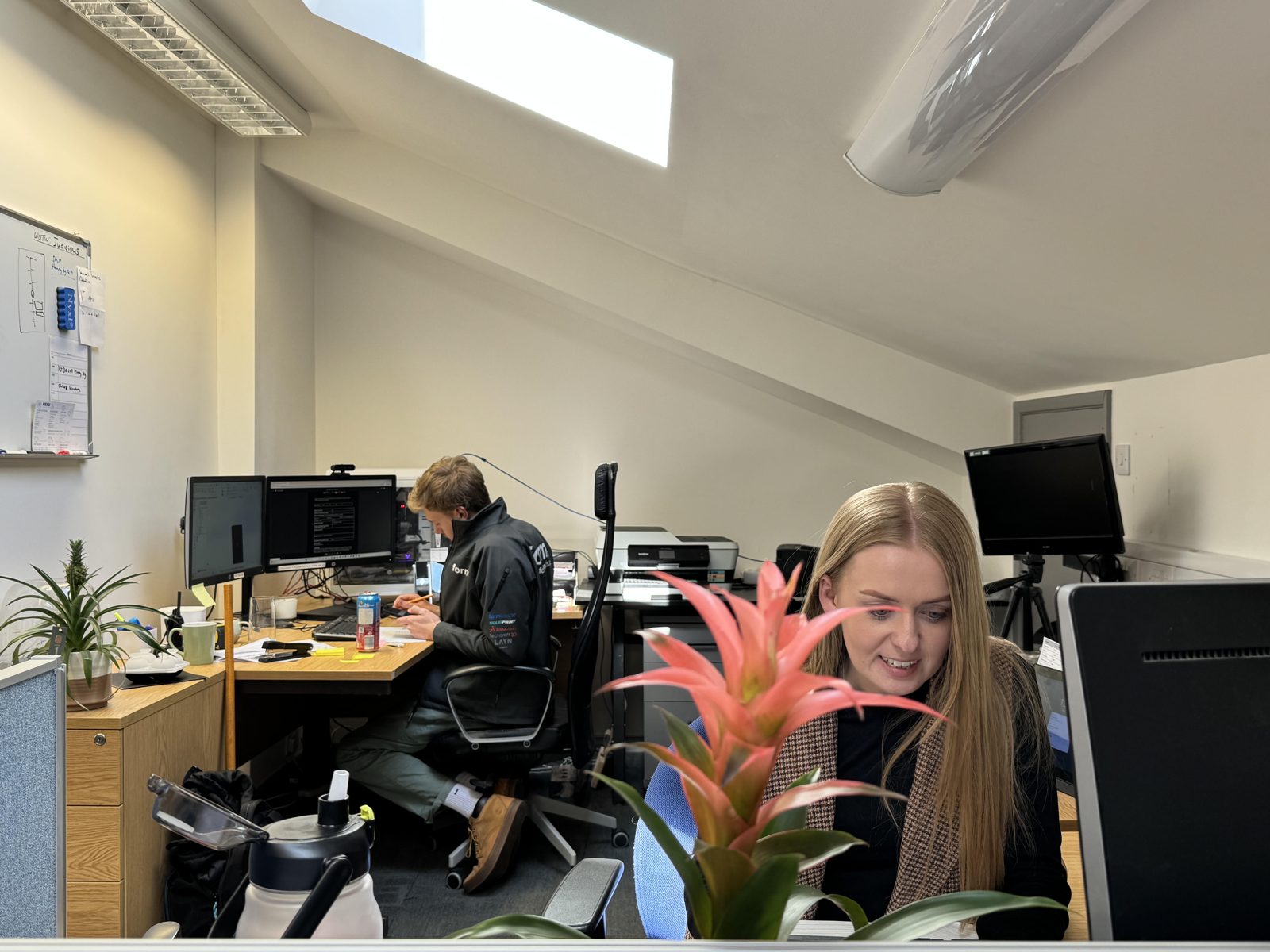
No call centre and no middlemen. When you contact TCI Mouldings, you speak to the team who design, build and check your mould.


 Thomas LaneManaging Director
 George PrestonDesign & Project Manager
 Kelly BallingerHead of Partnerships
 Jim AndertonProduction Manager
 TheodoreEmployee Welfare