What happens if it stops today?
If a torn mould stops your line, an order or a season, keeping a spare on your shelf is sensible insurance. If it merely causes an annoyance, you can order one when you need it.
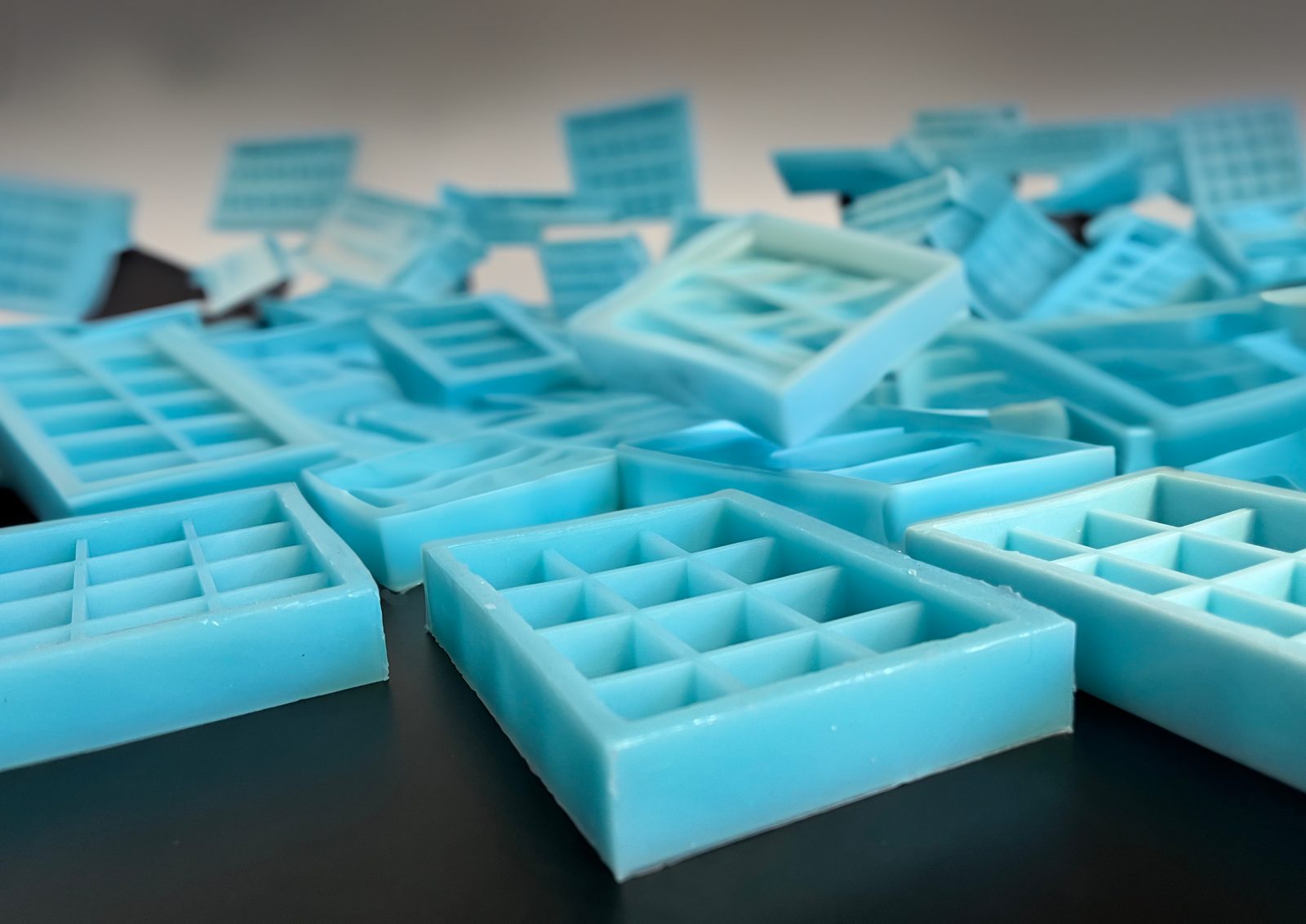
Soft tooling is a consumable
Every silicone mould wears out eventually. The important questions are whether the replacement matches the last one and whether you find out at a convenient moment. Both are decided long before the mould fails.
Why ours match
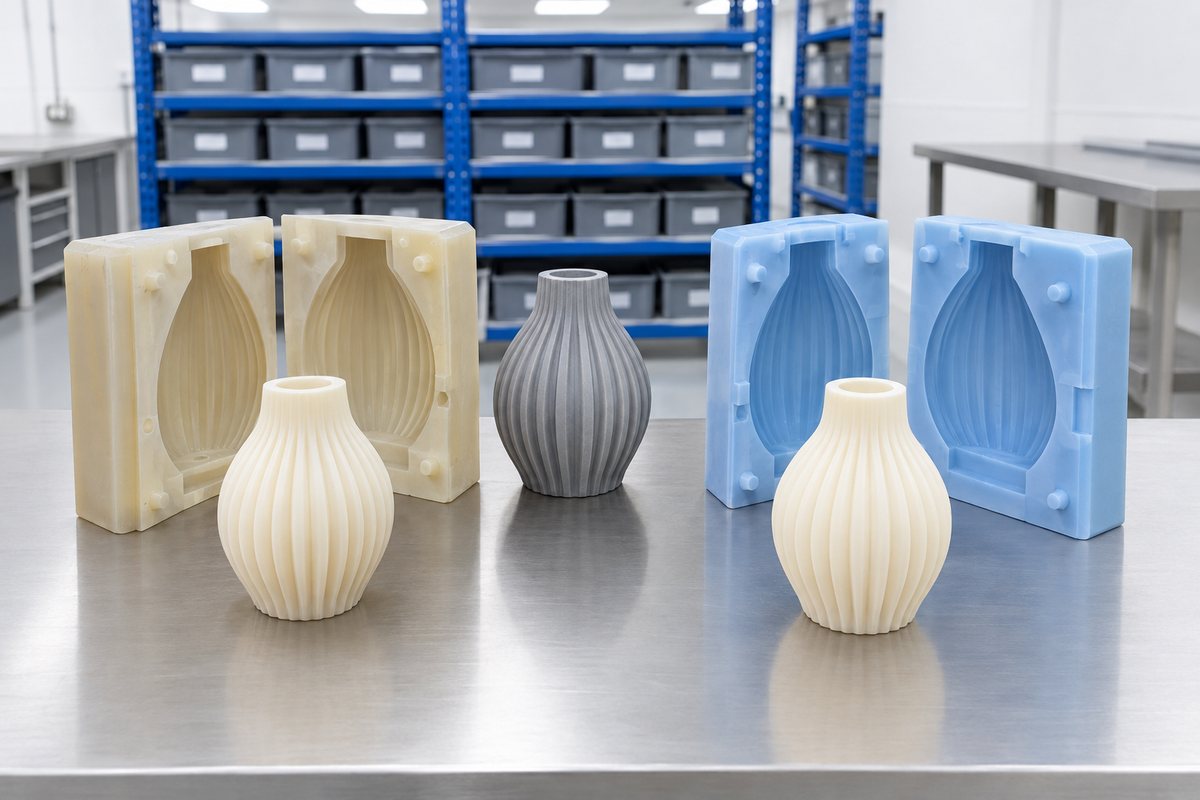
A replacement mould only does its job if the parts it produces match those from the old one. That depends entirely on what the original mould was cast from.
We keep the master pattern, along with the grade, hardness and wall thickness recorded against your order. This means any replacement is cast from the same master to the same specification, rather than being reverse engineered from the part you are replacing.
That distinction matters more than it first appears. When you take a mould off a cast part, you inherit that part's shrinkage, wear and any flash it carried. Do that twice and the drift becomes visible. Do it three times and your range no longer matches itself, and nobody can say exactly when it stopped.
A repeat order is a straightforward conversation rather than a new development. You tell us which mould you need, and we make the same cast mould again. There is no need to re-quote everything from first principles, and nothing changes quietly behind the scenes.
Spares policy
Four questions to answer while your mould is still working perfectly.
If a torn mould stops your line, an order or a season, keeping a spare on your shelf is sensible insurance. If it merely causes an annoyance, you can order one when you need it.
Abrasive casting materials, hot cycles, aggressive cleaning and rough demoulding all shorten mould life. A mould that has an easier working life needs a different spares plan from one that is under daily strain.
If several moulds need to produce interchangeable parts, replacing one is a matched-set job, not a single-mould replacement. It is worth flagging this early. See multi-cavity tooling.
If you plan to sell a product for years, you need a plan for the master as well as the mould. This includes deciding whether to take a second master while the first is still pristine.
Moulds we did not make
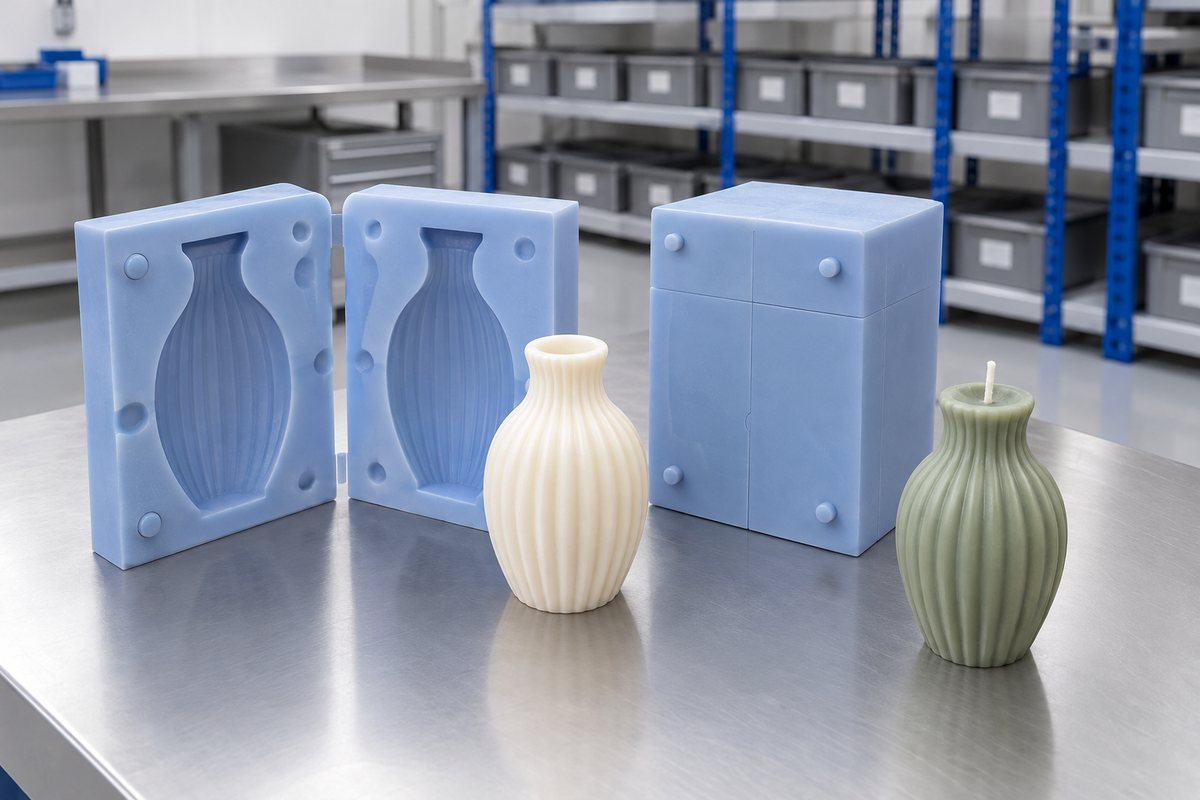
Plenty of enquiries are about somebody else's worn-out mould, with no master and no paperwork. That is a normal job for us, and we're happy to assess it. We'll be clear about what can and cannot be recovered.
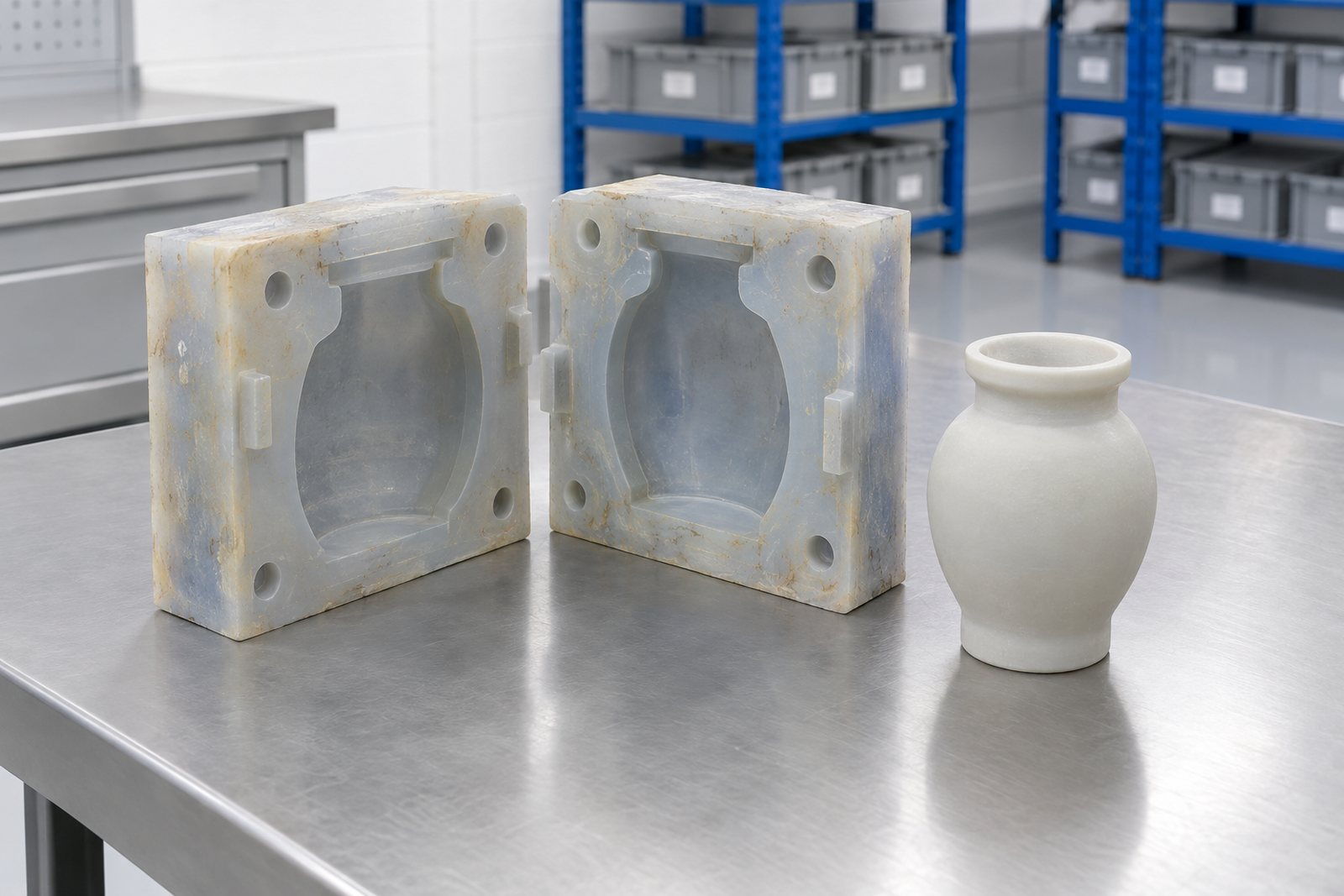
We can assess it with you: identify the grade it appears to be, understand why it failed, and establish whether the issue was the material, wall thickness, geometry or how it was being used. We can then take a part cast from it as a starting point.
We cannot recreate the original geometry exactly. A copy taken from a used mould carries the wear in that mould, along with the shrinkage of whatever was cast in it. It will be close, and close is often fine. But if your part needs to fit something precisely, we prefer to rebuild the geometry properly through reverse engineering or scanning rather than pretend otherwise.
If the old mould failed because of a design issue rather than fair wear, we will tell you. Repeating the same mistake in a new mould is not a service worth paying for.
Next
The worst time to discuss a replacement mould is on the morning a mould tears and an order is already on the floor. By then, every option is worse and more expensive than it needed to be.
The best time to plan a spare is when a mould is new and working. At that point, the master is safe, the specification is fresh, and a spare can be planned as part of your programme rather than arranged in an emergency. Tell us which of your moulds are load-bearing for your business, and we'll keep that in mind on the file.
If you are already running our tooling, tell us which job you need help with and we will pull the specification. If you are running somebody else's tooling, send us the mould and a part made from it. We will give you an honest view of what we can rebuild.
At a glance
From idea to finished mould
Swipe to see the whole diagram
Ready to start?
Send us a drawing, photograph or sample. We'll come back to you with a mould strategy, material recommendation and price.
Real people, a real workshop
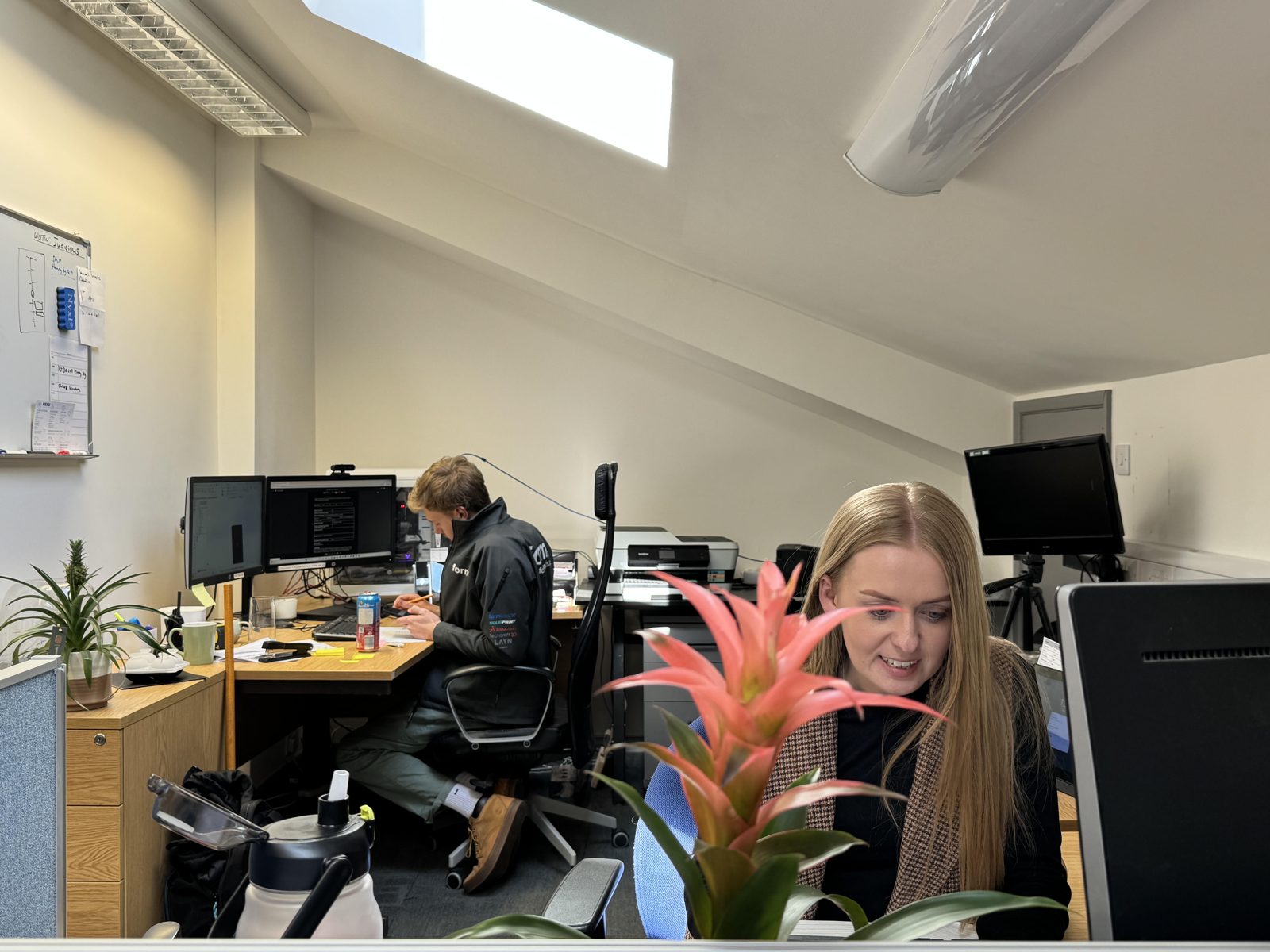
No call centre and no middlemen. When you contact TCI Mouldings, you speak to the team who design, build and check your mould.

 Thomas LaneManaging Director
 George PrestonDesign & Project Manager
 Kelly BallingerHead of Partnerships
 Jim AndertonProduction Manager
 TheodoreEmployee Welfare