Bidford-on-Avon, Warwickshire. Mon to Fri.01789 224228

Part of TCI Group · UK design, UK manufacturing capability, since 2019

Where our silicone moulds go to work.

Candles, soap, resin homeware, bakery trays, chocolate shells, precast concrete, wearables and electrical parts. Different industries, but the same four questions. This is our sector view: real jobs and the reasoning behind each decision.

6Sectors described
7Worked examples
In-houseDesign to production
2019Established

How to read this

Sector-level examples, described honestly.

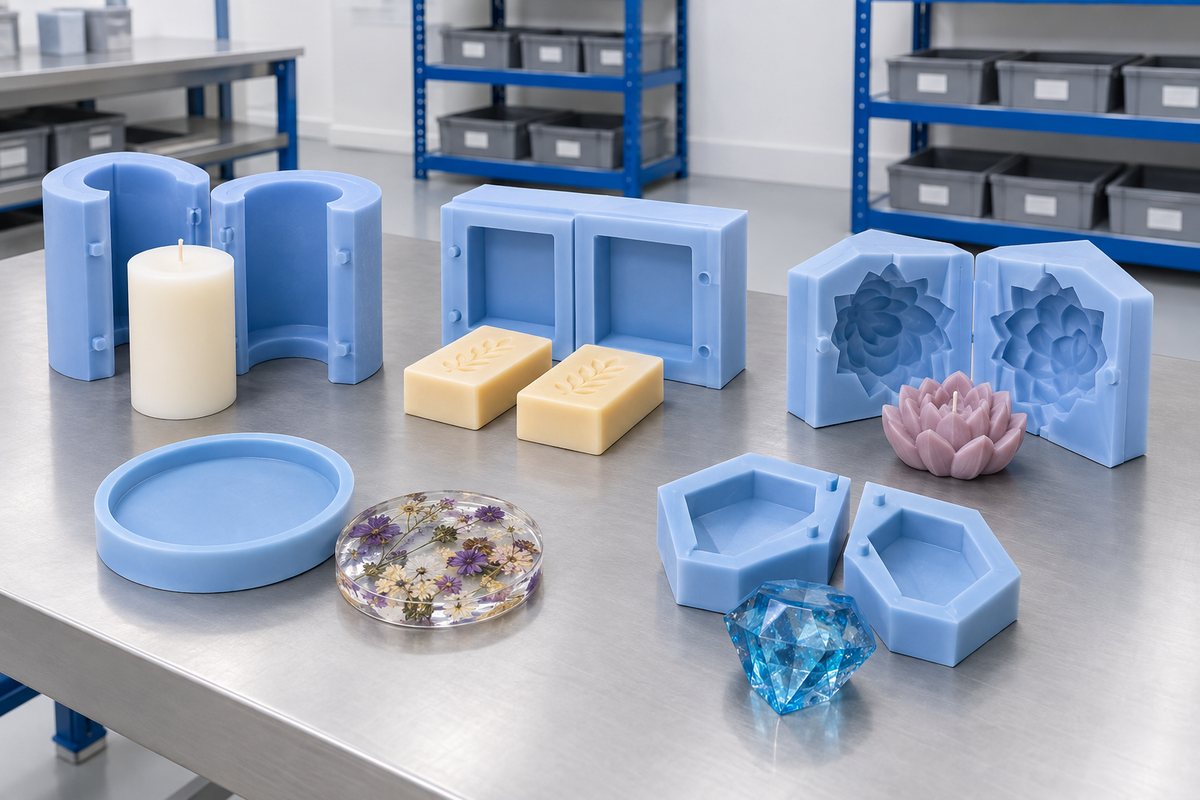
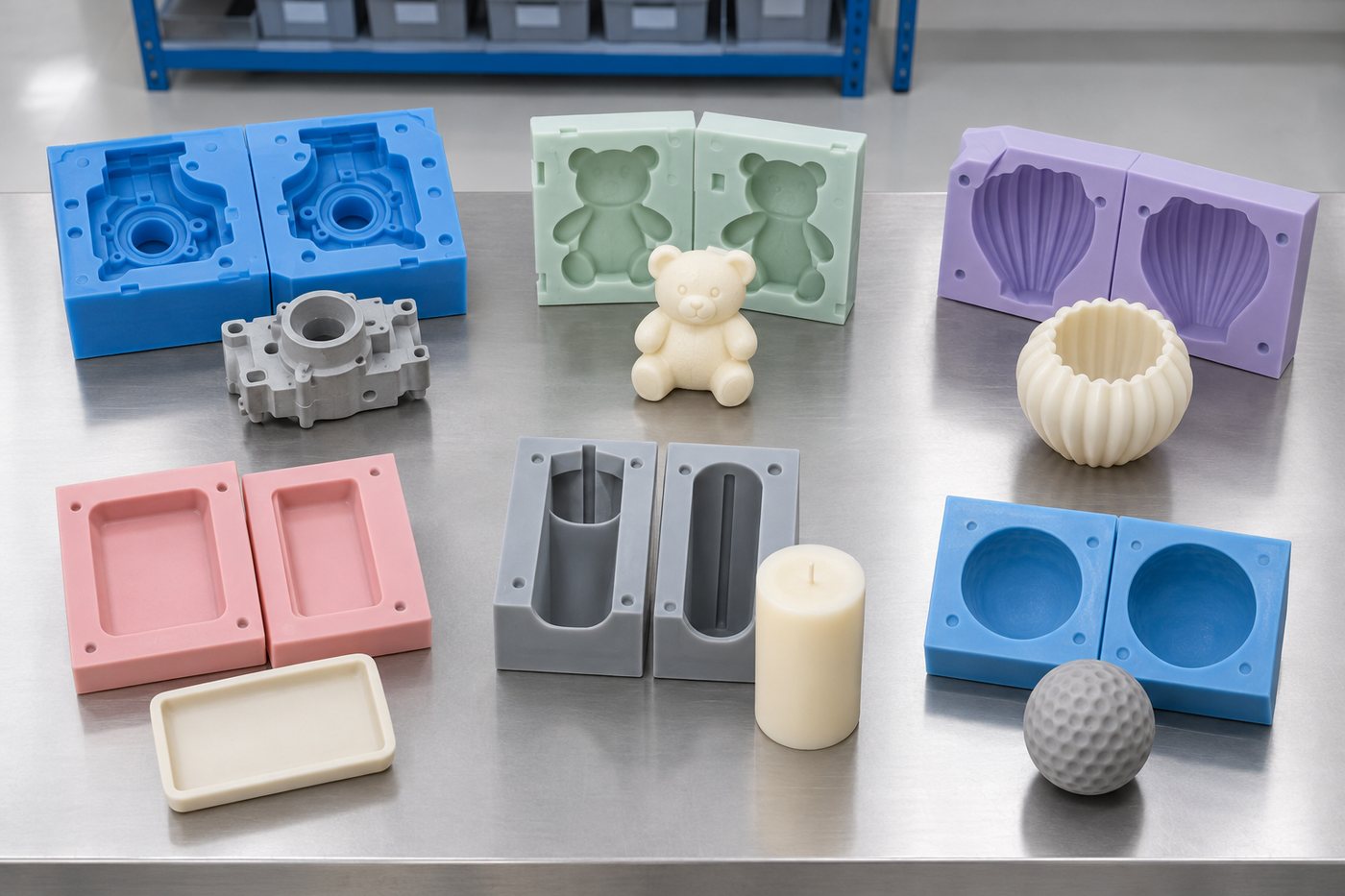
Illustrative example: Different silicone mould types for wax, soap and resin on a bench
Different moulds for different poured materials

A mould does not care which industry you work in. It cares about what you pour into it, how often you use it, how much detail needs to survive, and who opens it. Sector language still matters, though, because a candle maker and a precast yard can describe exactly the same problem in completely different words.

We've organised this page around who's asking. For each sector, we highlight the part that usually turns out to be most difficult, which is rarely the focus of the initial enquiry. Customers are described by sector rather than named, deliberately.

If you do not see your work here, that does not mean we cannot do it. Most of what we receive is a variation on one of these six.

How routes get chosen
Six sectors

Six kinds of customer, six different conversations.

What each one asks for first, and what really matters in the end.

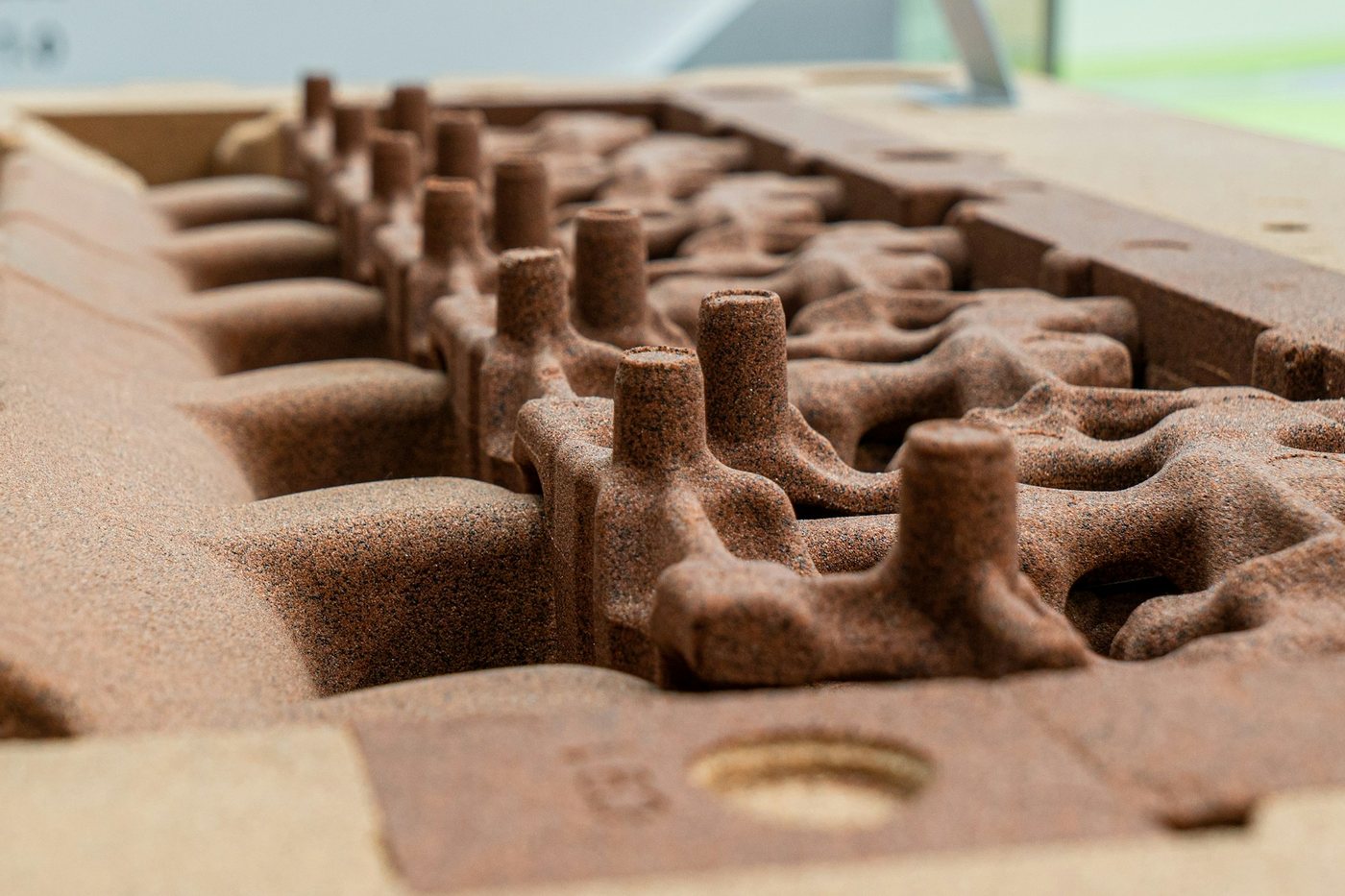
Close-up of a cast block showing crisp moulded detail
Candles and wax

Candle and wax melt makers

You may ask for a mould that matches a shape you have drawn. What you actually need is draft and a surface finish chosen around a shrinking wax, plus a hardness soft enough to release a pillar without denting the top. This is usually a cast or vacuum cast tool.

Cast moulds
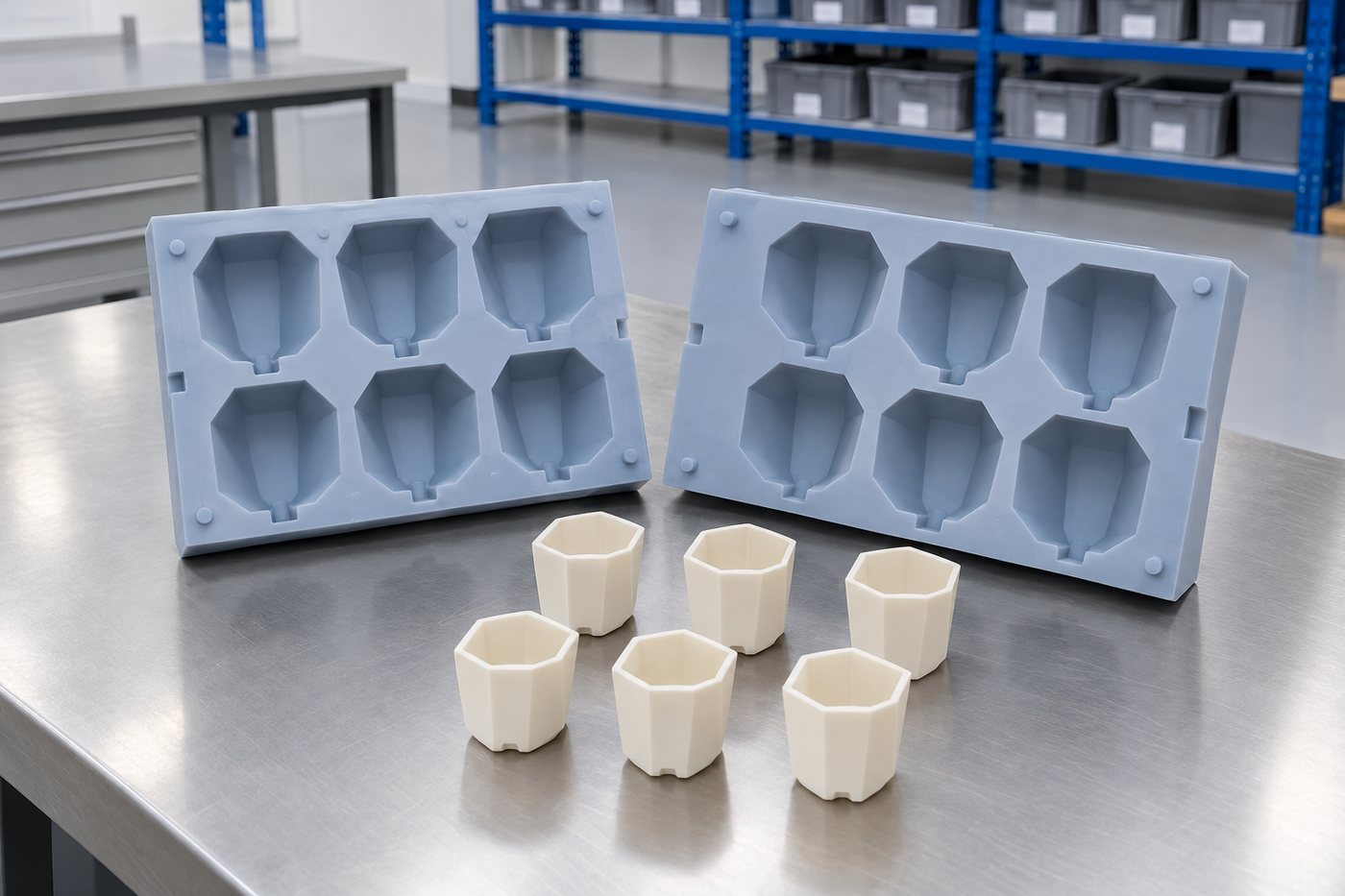
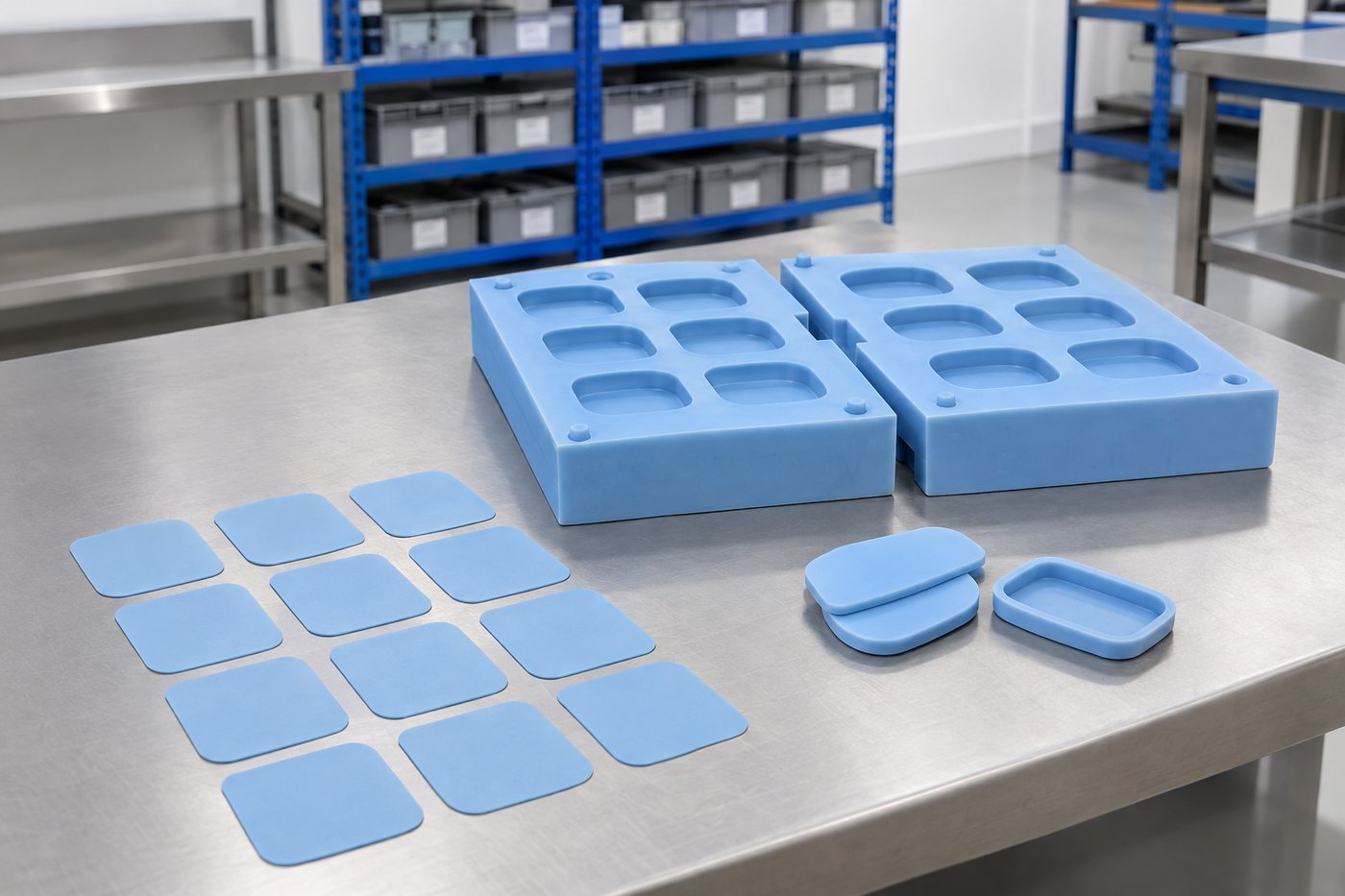
Illustrative example: Open multi-cavity silicone mould with six identical cavities
Soap and homeware

Soap, bath and resin homeware brands

You may be asking for multiple cavities to raise output. In practice, the priority is a mould face that can withstand caustic batter or hot resin for the run you are planning. Cavity count comes second to grade selection.

Multi-cavity tooling
Ice lollies resting on a plate with fresh mint
Bakery and confectionery

Bakeries, patisserie and chocolatiers

You may ask for a shape. What you actually need is a food-grade platinum-cure grade, declarations attached to the order, and a tray that is stiff enough for a production operator to handle rather than a pastry chef.

Food-contact moulds
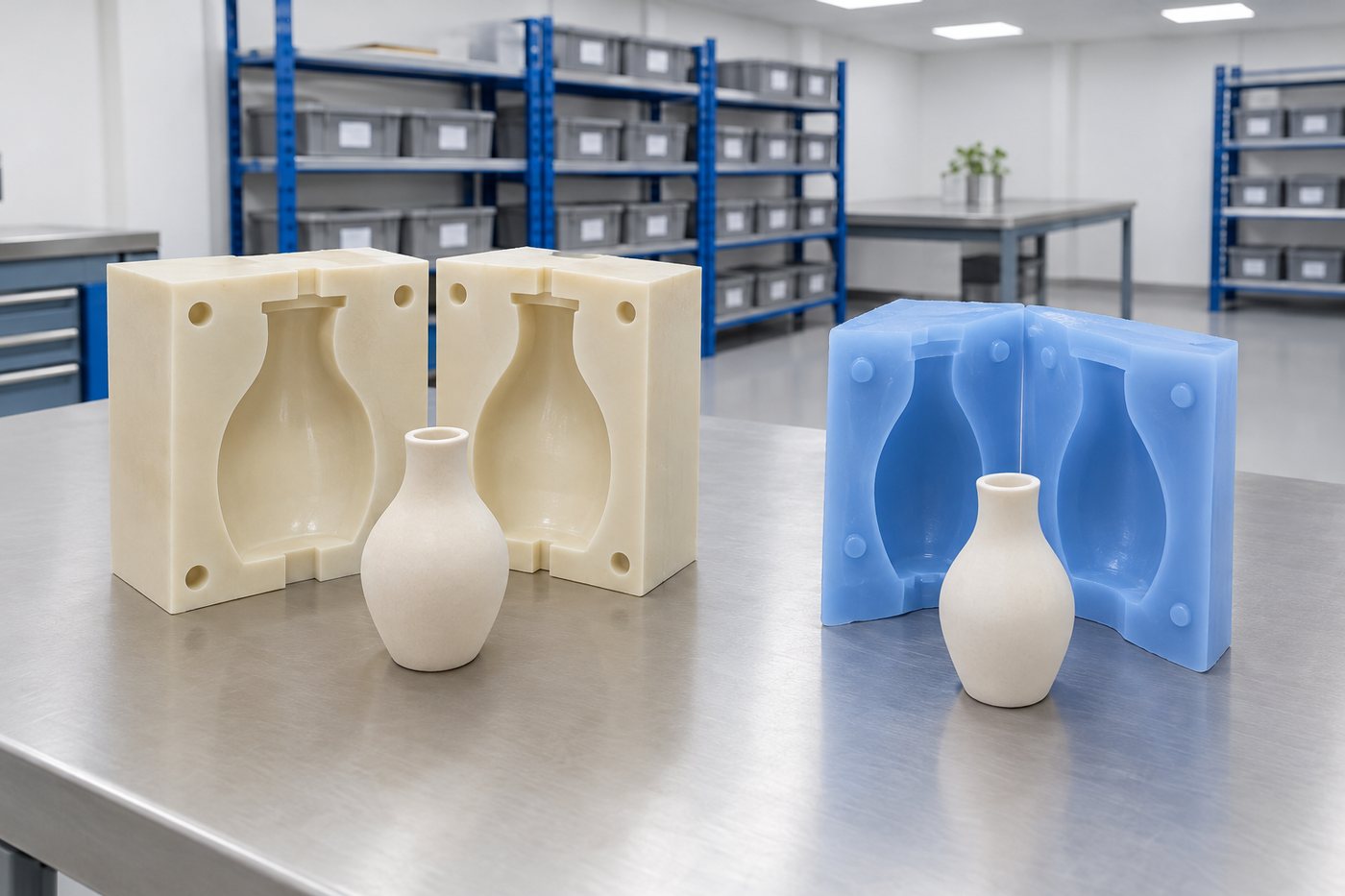
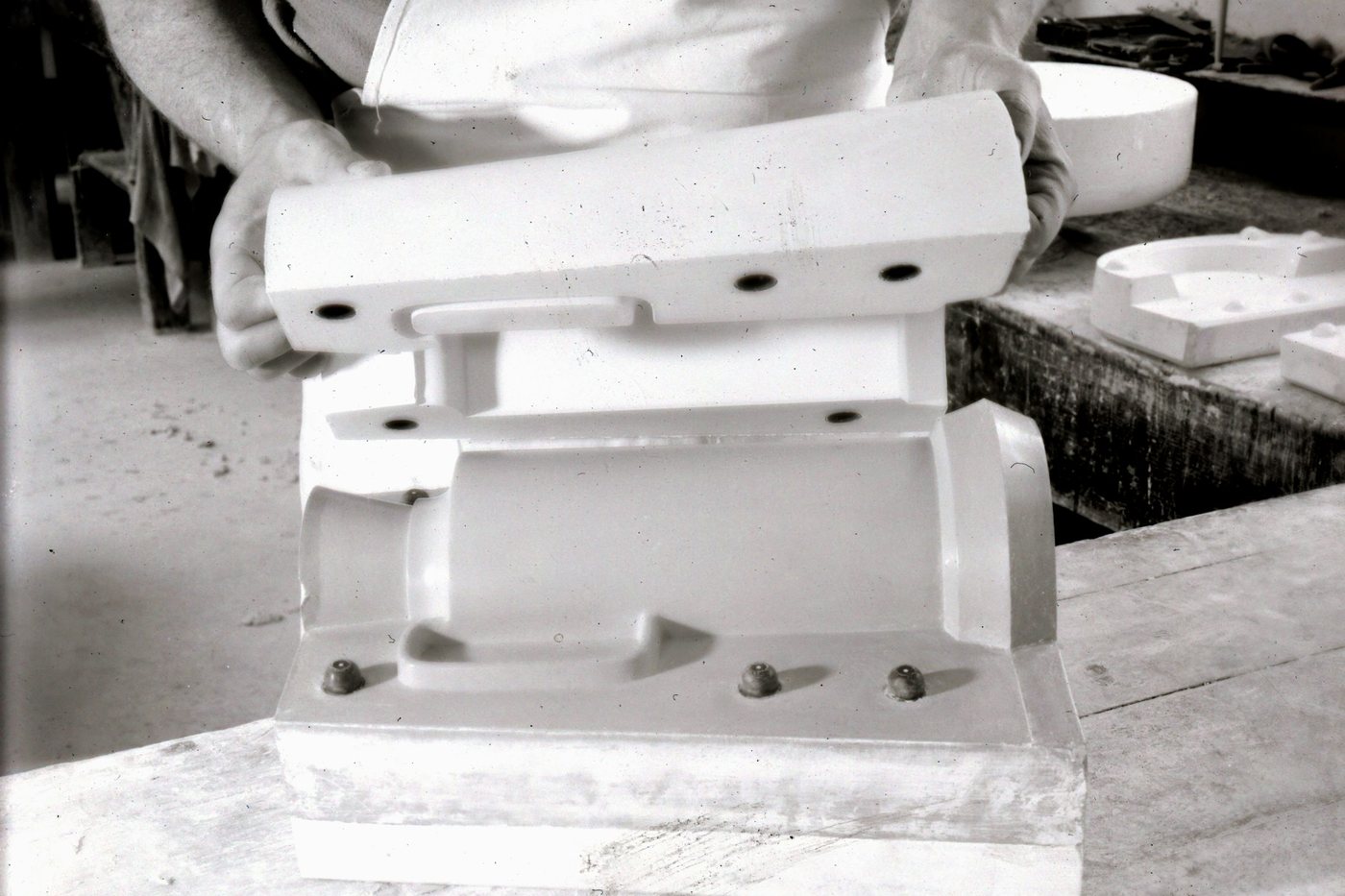
Illustrative example: Rigid polyurethane tooling compared with a flexible silicone mould
Precast and restoration

Precast yards and restoration trades

You may ask for a copy of an existing detail. In practice, you often need a decision about abrasion against the detail and, because the original is worn and no drawing exists anywhere, reverse engineering.

Polyurethane tooling
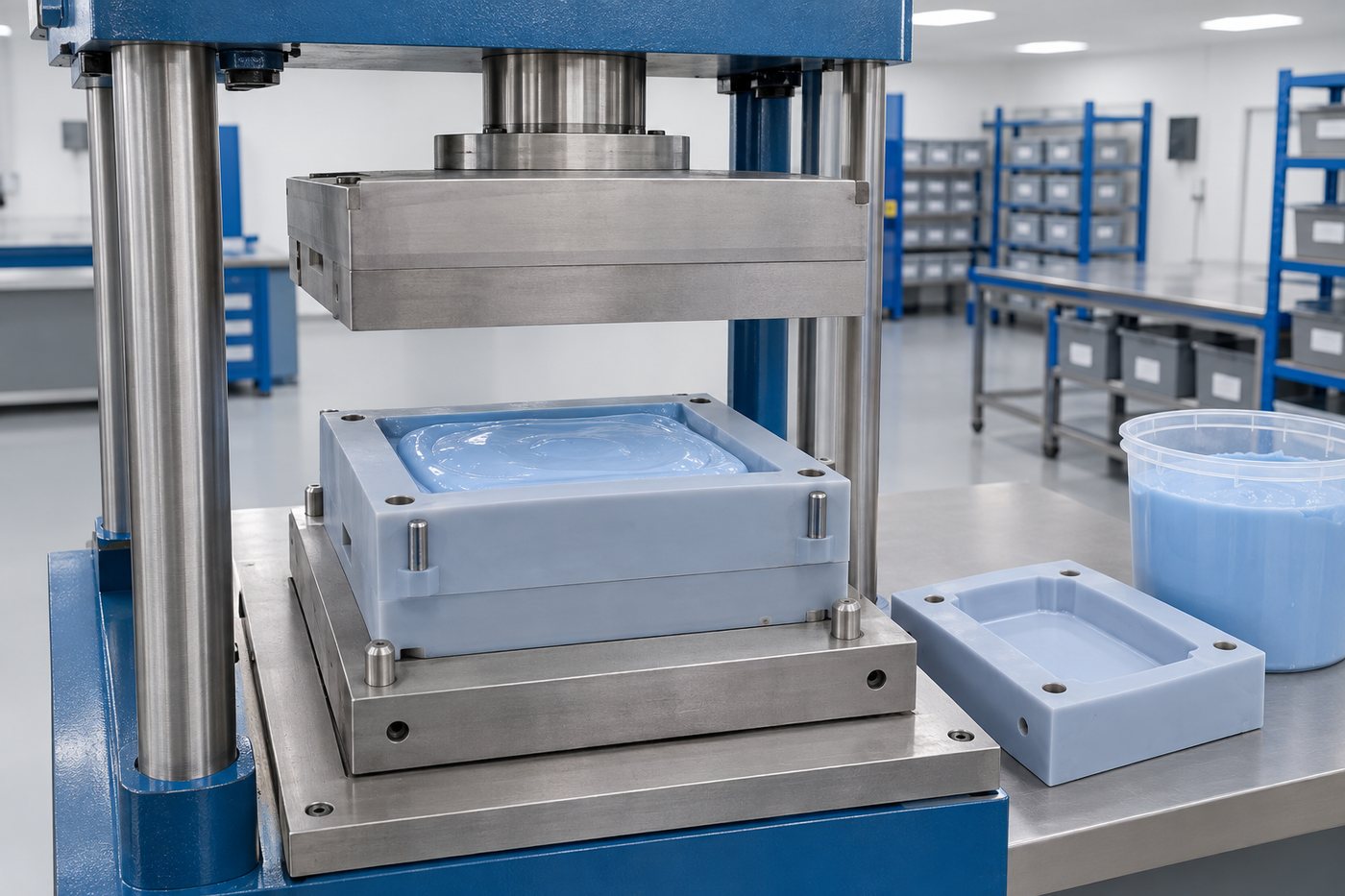
Illustrative example: Compression press loaded with silicone charge before moulding
Technical and OEM

Component buyers and OEMs

If you're asking for a price per part, the shape needs to be frozen first. Pressed and injected parts are inexpensive per piece but costly to change once the tool is cut. That's why the design decisions need to be agreed before tooling begins.

Compression moulding
Hands finishing a prototype casting at the bench
Design and prototyping

Product designers and studios

You may ask for a prototype quickly. But what you actually need is real parts in the real material. That is different from a printed model that only looks right.

Prototype tooling

Worked jobs

Four jobs, with the arithmetic that decided them.

The details are anonymised, but the difficulty of each one is real.

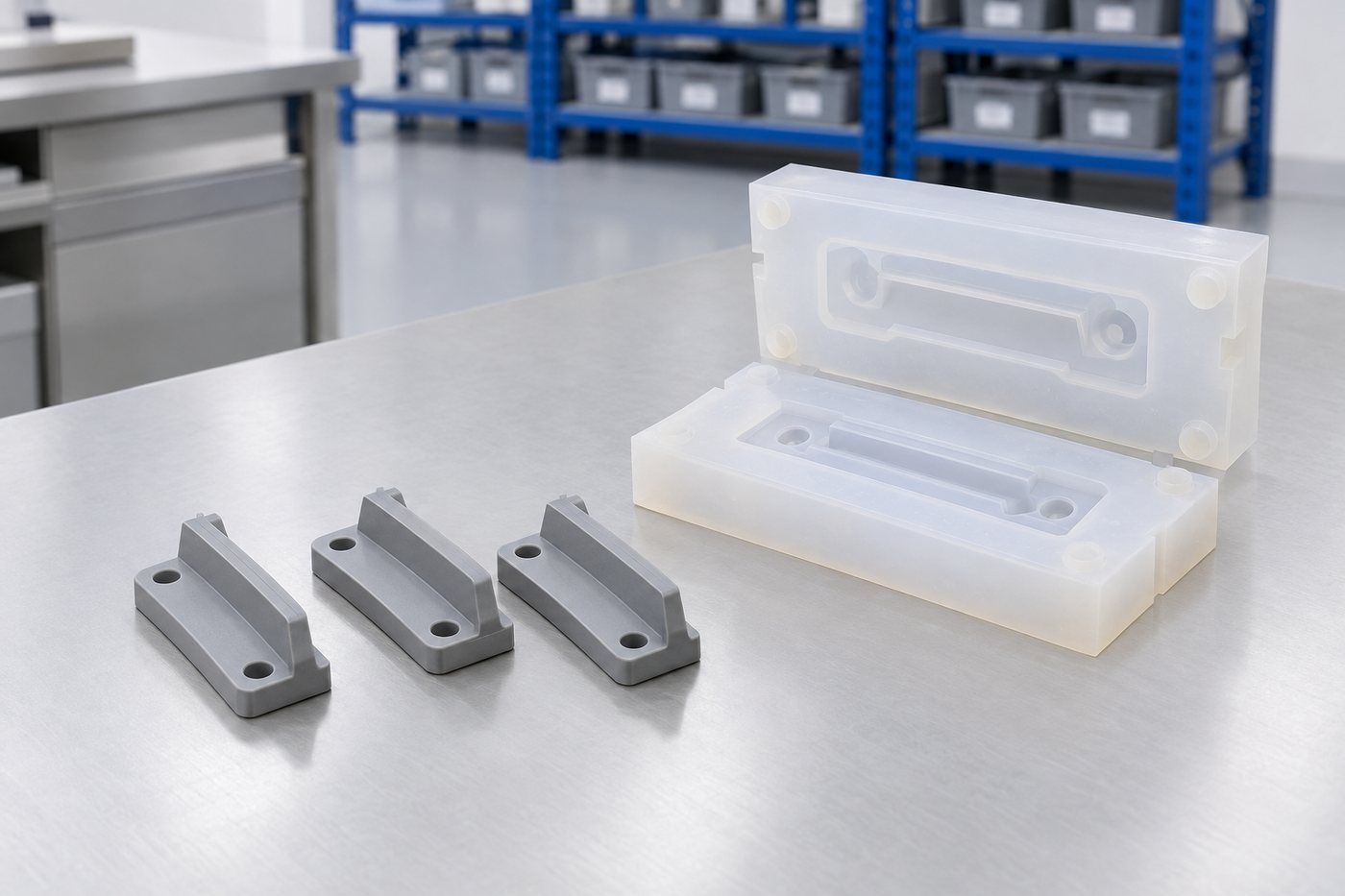
Illustrative example: Fine-feature mould detail inspected beside a small cast component
Aerospace subcontract

A fine feature that could not retain air

A very small raised feature can be critical on an aerospace subcontract part. At that scale, a trapped bubble does not simply mark the feature; it removes it. That is why the job went under vacuum for both mould and cast.

Read the job
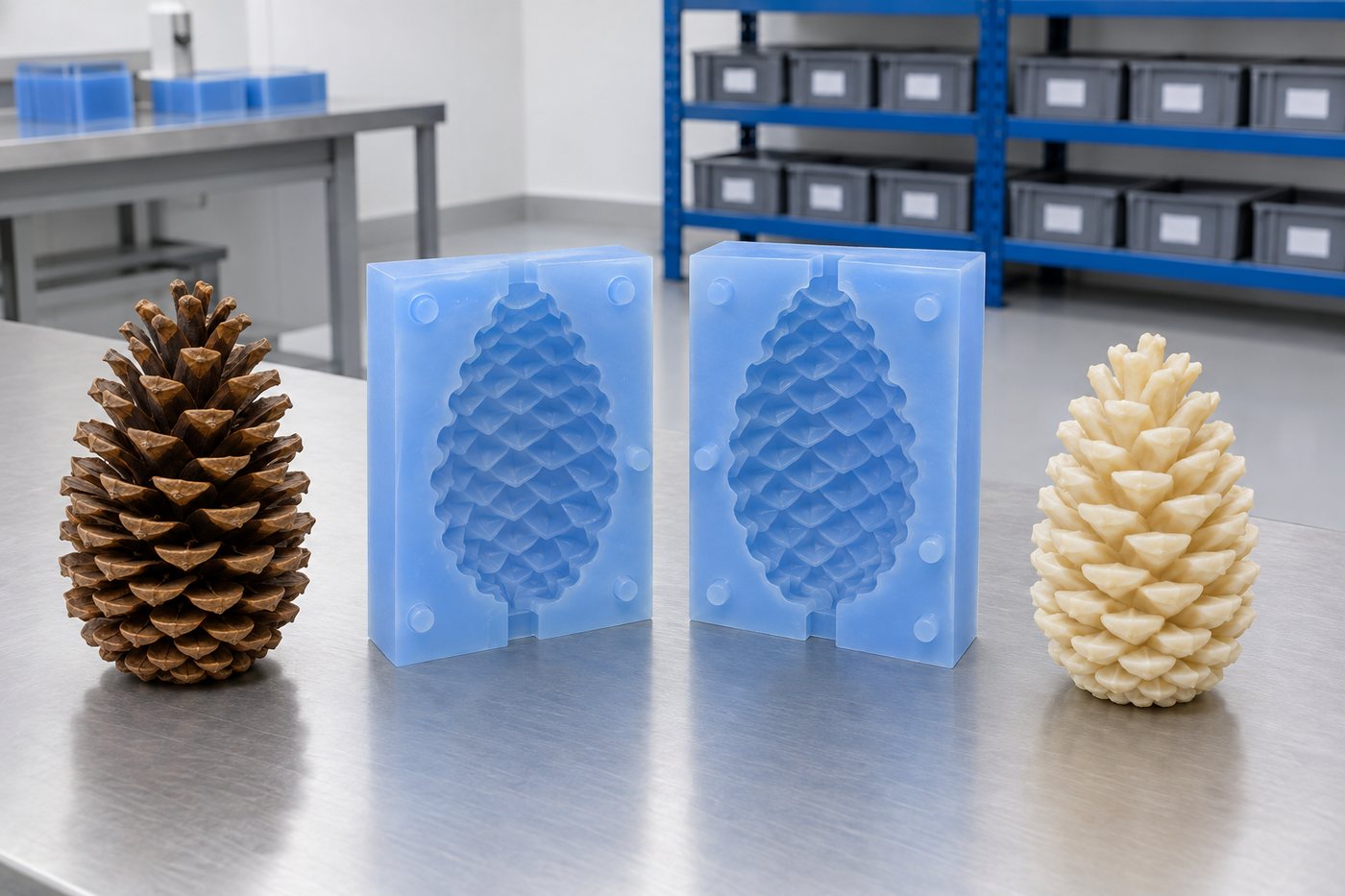
Illustrative example: Pine cone glove mould inside a rigid supporting mother mould
Giftware

Pine cone tooling, with every scale formed as an undercut

For a natural form with hundreds of overlapping undercuts, no rigid tool can open around it. A brushed silicone glove inside a rigid mother mould was the only approach that came apart successfully.

Read the job
Illustrative example: Thin silicone patches checked for flatness beside a multi-cavity tool
Electrical

An electrical patch that would not sit flat

A thin cast patch curled at the corners, so the mould was rebuilt on a rigid base. The issue lay in the mould construction, not the material, which is the common case.

Read the job
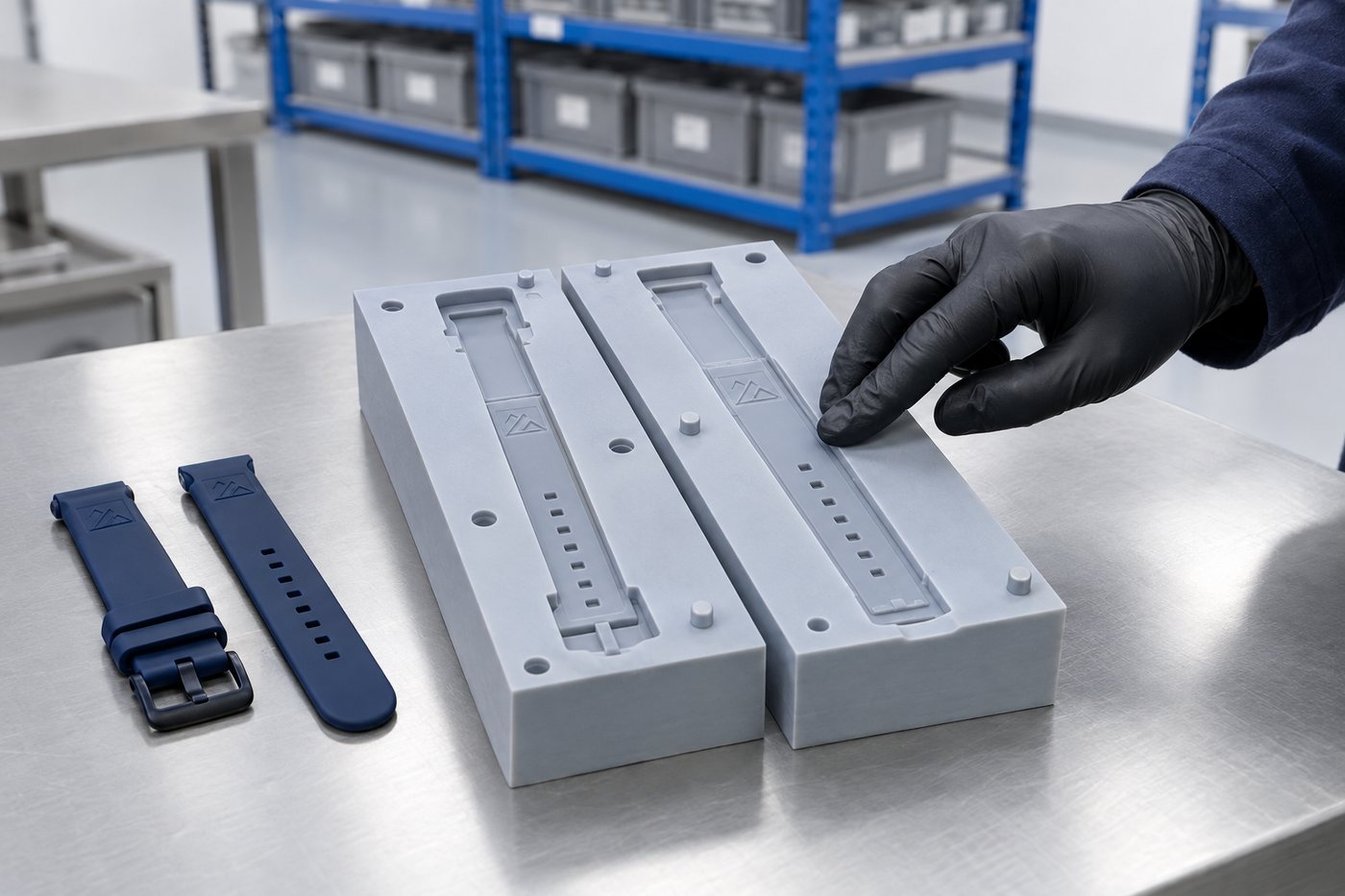
Illustrative example: Gloved hand checking raised logo detail on watch strap mould trial
Wearables

A strap logo that stays legible in volume production

Move a printed logo into moulded relief. Print wears off a strap, while moulded relief does not. The mark must be drafted to withstand thousands of pulls without filling or feathering.

Read the job

And three more

Three more jobs.

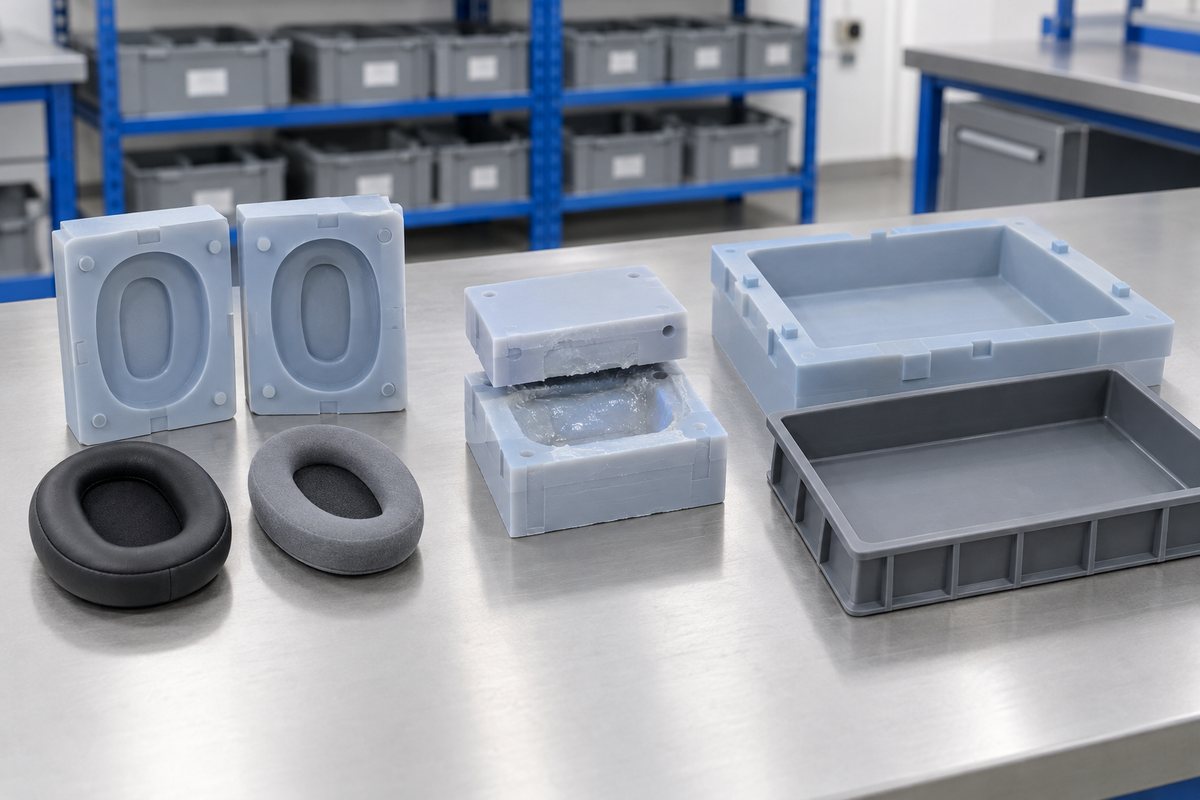
Ear pads with an invisible flash line

Soft silicone ear pads were moved onto a compression tool. We moved the parting line away from the sealing lip, so the wearer would not feel it, and settled the hardness using real parts rather than relying on a datasheet. Read the job.

A jewellery master that killed the cure

A hand-modelled master inhibited the platinum cure, leaving a tacky mould face. Identifying the cause is just as important as remaking the mould, so the same problem does not happen with your next master. Read the job.

A tray built to survive the wash

This patisserie tray performed well in the oven but failed under the cleaning regime. Increasing the hardness and wall thickness reduced flexibility during demoulding, but delivered a much longer tool life. Food-contact moulds.

All six project write-ups

Illustrative example: Ear pad tooling, failed cure test mould and reinforced tray mould
Three different moulding problems shown side by side

The point

Nobody actually buys a mould. They buy a repeatable part.

Across all six sectors, what you are buying is the same result: the tenth part, the hundredth part and the thousandth part coming out the same as the first. The mould is simply the means of achieving it.

That is why we ask about the less glamorous end of the process: who demoulds it, how often they do so, what shift it happens on, and what they clean it with. A mould that is a pleasure to use on the bench but gets torn on a Friday afternoon production line has not solved anything.

That is also why we prefer having a sample of the part in front of us rather than only a specification. The part shows us what the process is really like.

How materials get specified

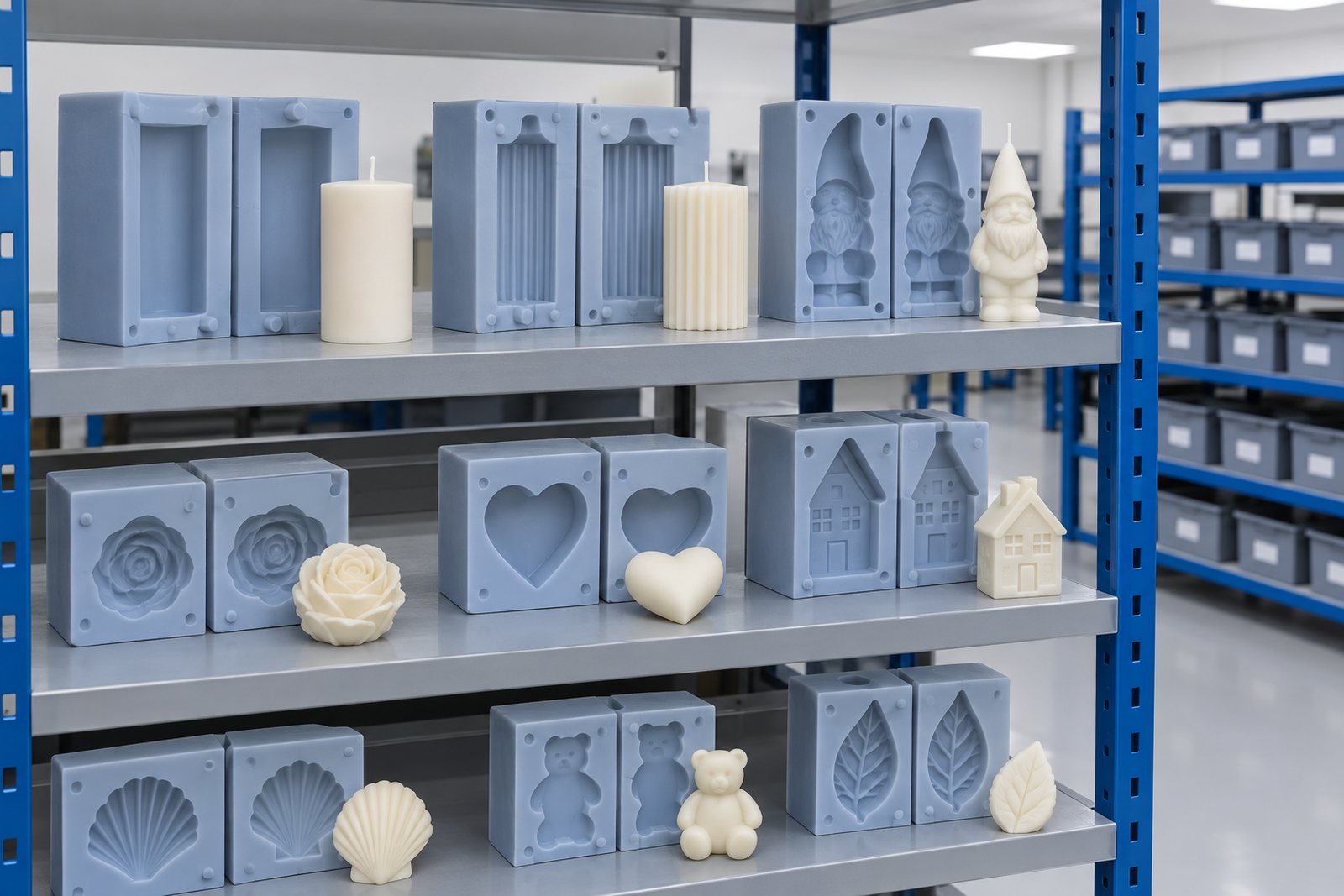
Illustrative example: Finished moulds racked and labelled on workshop shelving, stored ready for reuse

Straight to it

Explore the service pages for the jobs featured on this page.

Here, you can explore the routes and groundwork behind the examples above.

Vacuum cast moulds and parts

When one pinhole is a reject, degassed pours are the route behind aerospace and fine-relief jobs.

Vacuum casting

Hand-made silicone moulds

Brushed skins with a rigid mother mould are made for deep relief and shapes that no rigid tool will release.

Hand-made moulds

Cast silicone moulds

A dependable choice for candle, resin, plaster and giftware casting, made with the split line you choose.

Cast moulds

Injection moulding and LSR

What happens to your wearables or component job once annual quantities justify steel

Injection and LSR

CAD and design for manufacture

This is where we settle flatness, draft and split-line decisions before anything is cut.

CAD and DFM

Sector to service

Matched to the sectors above

If one of the six sounded like you, this is the next page to read.

Food and confectionery

Food-grade platinum-cure grades are used, with declarations kept against the order and batch records retained.

Food-contact moulds

Precast and restoration

Abrasion-resistant tooling for concrete and cast stone, prioritising tool life over fine detail.

Polyurethane tooling

Restoration with no drawing

We measure and model your worn or obsolete part, correct what needs correcting and keep a record.

Reverse engineering

Designers and studios

Development tooling lets you make real parts in the real material before you commit to production tooling.

Prototype tooling

Small brands and makers

We run the tool for you, and you can buy the parts you need, from a single piece to steady weekly batches.

Low-volume production

The full range

One group, four specialisms

TCI Mouldings is part of TCI Group.

One shared engineering team, one workshop and four specialisms. That means the tooling knowledge behind a precast yard is also available to a chandler with a single product.

Not listed?

It is probably still a moulding problem.

From props and signage to model making, dental and medical-adjacent work, packaging inserts, and sealing parts for machinery no one makes any more, the same four questions guide every project: what goes in it, how many you need, what detail matters, and who takes it out.

Send your part or a photograph of it to the partnership team. If it's not something we should be doing, we'll say so plainly rather than quoting you for the wrong route.

Read the technical guides

At a glance

The idea in a picture.

Which route suits your quantity

PrototypesHundredsThousandsTens of thousandsHand-made mouldsCast silicone mouldsVacuum-cast mouldsCompression toolingInjection and LSR tooling

Swipe to see the whole diagram

A general picture. Shape, material and detail also decide the route, and we talk it through with you.

Ready to start?

Tell us what you need to make, and we'll show you how to mould it.

Send us a drawing, photograph or sample. We'll come back with a mould strategy, a material recommendation and a price.

Real people, a real workshop

You deal with the people who make it.

No call centre and no middlemen. When you contact TCI Mouldings, you speak to the team who design, build and check your mould.

  • A real Warwickshire workshopUnit 15, Waterloo Park, Bidford-on-Avon, Alcester B50 4JG.
  • Real people on the phoneCall the team on 01789 224228, Monday to Friday.
  • The same team on every jobDesign, production and aftercare come from the people you see here.
  • Part of TCI GroupFive specialist brands, one engineering team. Visit TCI Group.
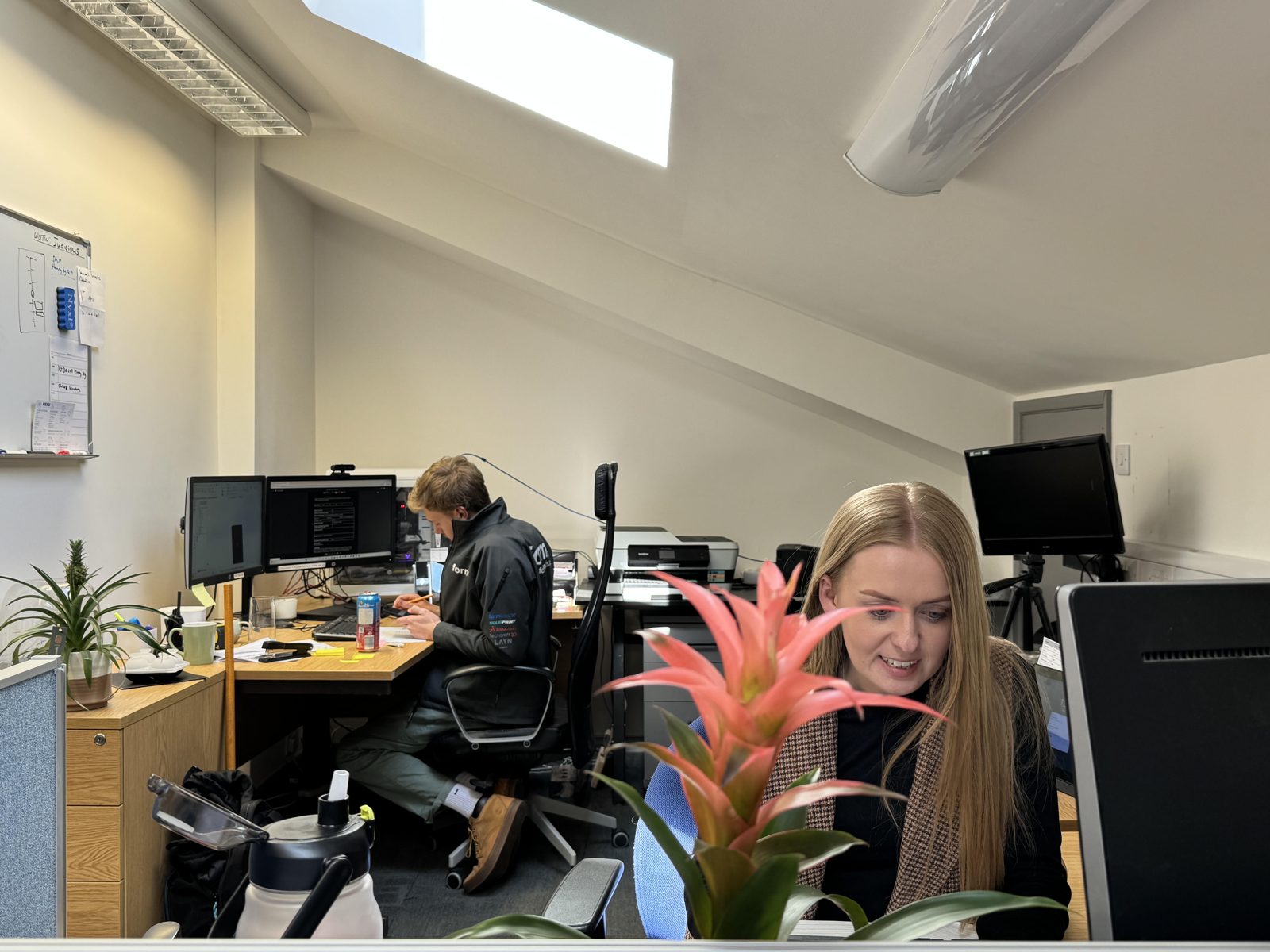
The TCI design and project office.
A stack of TCI silicone moulds.
The TCI workshop, with moulds on the bench mid-build.
  • Thomas LaneManaging Director
  • George PrestonDesign & Project Manager
  • Kelly BallingerHead of Partnerships
  • Jim AndertonProduction Manager
  • TheodoreEmployee Welfare
Meet the team